Warm-Ups, Mobility, and Injury-Proofing
The ten minutes most people skip — and the cheapest insurance your training will ever buy.
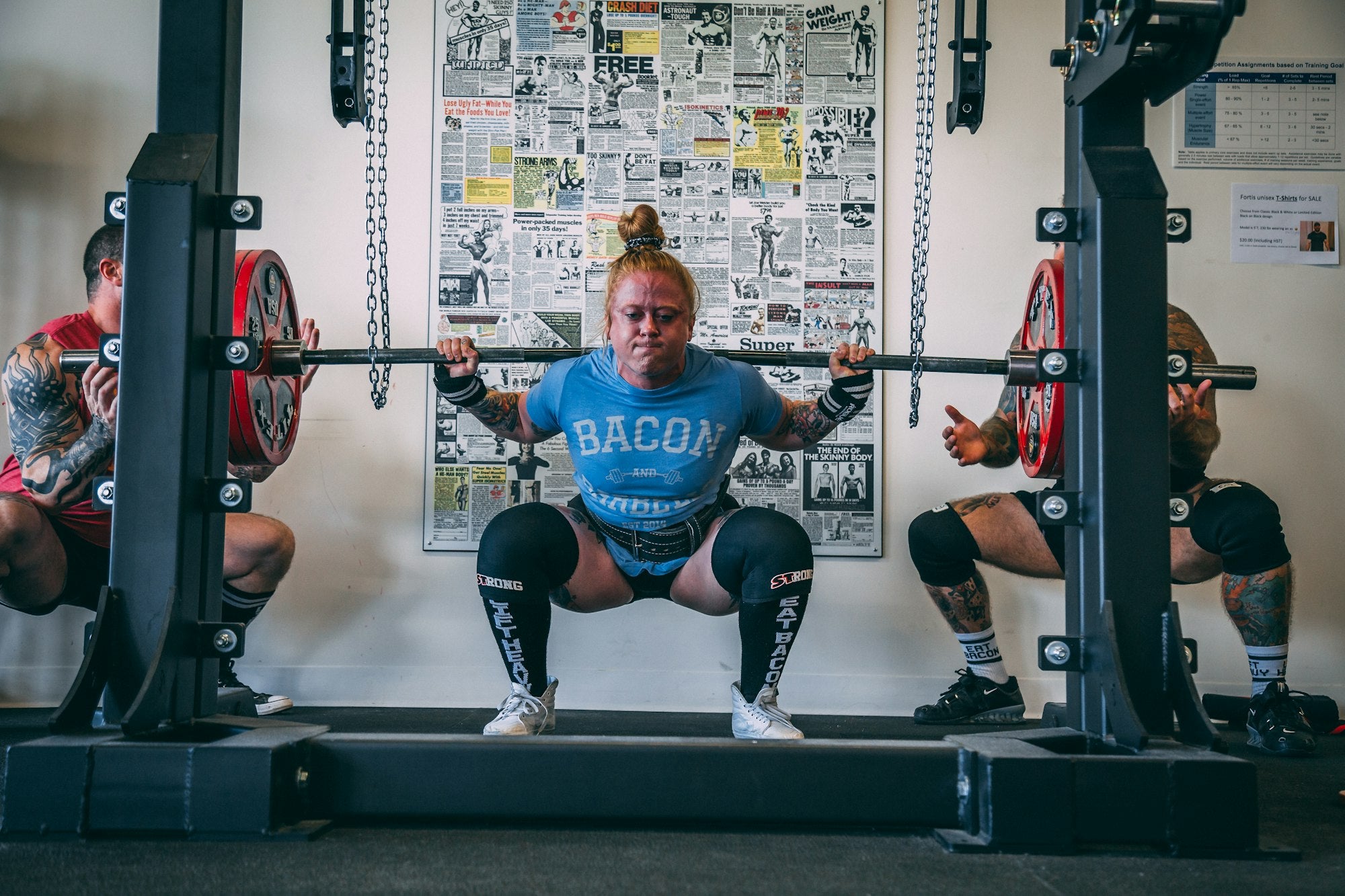
Walk into any gym and you'll see it: someone loading a bar for heavy squats ninety seconds after walking in from the cold, straight off a desk chair and a two-hour commute. They're strong, they're committed, and they're one bad rep away from a month on the sidelines. The warm-up is the most skipped, most underrated ten minutes in training — and the cheapest insurance you will ever buy against losing weeks to an avoidable strain.
It is not stretching for the sake of it, and it is not a cardio session that leaves you tired before you start. A good warm-up is short, specific, and has one job: to get your body genuinely ready to lift well.
- A warm-up raises temperature, wakes the nervous system, and rehearses the movement — it isn't a static-stretch marathon.
- Five minutes of general work, then ramp-up sets of your first lift, covers almost everyone.
- Mobility means usable range under control — train the ranges your lifts actually demand.
- The best injury-proofing is sane progression, clean technique, and not ignoring small niggles.
What a warm-up is actually for
Three things happen in a good warm-up. Your muscle temperature rises, which makes tissue more pliable and contractions more efficient. Your nervous system switches on, so the right muscles fire in the right order with more force. And you rehearse the exact movement you're about to load, grooving the pattern while it's light and safe. Miss these and the first heavy set becomes the warm-up — except now there's a loaded bar involved.
Notice what's not on that list: long static stretching. Holding a stretch for a minute before you lift does little for performance and can briefly dull power output. Save the long holds for after training or separate sessions; before lifting, you want movement, not stillness.
The warm-up that works
You need two phases, and together they take under ten minutes.
| Phase | What to do | Why |
|---|---|---|
| General (3–5 min) | Light cardio — brisk walk, bike, or rower — until you're warm and breathing a little harder | Raises core temperature and blood flow everywhere |
| Specific (3–5 min) | The day's first lift with the empty bar, then a few rising sets toward your working weight | Rehearses the exact pattern and primes the nervous system for load |
For example, if you're squatting 80 kg for your work sets, don't jump straight there. Do the empty bar, then 40, then 60, then 70 — a few reps each — and your first real set will feel solid instead of like a cold shock. You only need this full ramp-up for your first big lift of the day; later exercises need just a set or two.
Mobility versus flexibility
Flexibility is how far a joint can be pushed. Mobility is how far you can move it under control, by yourself — and that's what lifting actually needs. You don't need the splits to squat well; you need ankles, hips, and shoulders that move freely through the ranges your lifts demand. Spend a few minutes on the positions you're tight in: ankle rocks before squats, a few band pull-aparts before pressing, hip openers if you sit all day. Train the range you use, not range for its own sake.
Training at home or in a bare gym? Your warm-up needs nothing. Two minutes of marching or skipping on the spot, then the bodyweight version of your first move — air squats before weighted squats, slow push-ups before presses, a few rounds rising in effort. The principle is identical: get warm, then rehearse the pattern light before you load it.
Injury-proofing: the unglamorous basics
Most gym injuries aren't freak accidents; they're the slow result of doing too much, too soon, with sloppy form, while ignoring the body's warnings. The protections are boring and they work: progress load gradually (the same patience that builds muscle protects joints), keep technique honest especially as weights climb, sleep and eat enough to actually recover, and treat a small niggle as information, not something to push through. A tweak addressed this week is a session lost; the same tweak ignored is a season lost.
- Three to five minutes of light cardio until you're warm and breathing harder.
- One minute on your tightest area — ankles, hips, or shoulders.
- The empty bar of your first lift for two easy sets.
- Two or three rising sets toward your working weight, then begin.
Prepare the body, and it will let you push it.
The warm-up earns nothing on the day. It earns everything across the years — the sessions you didn't miss, the strains that never happened, the consistency that quietly compounds because you were never forced to stop. Ten minutes is a small price for staying in the game.
Questions, answered
Should I stretch before lifting?
Not with long static holds — they can briefly reduce power and don't prevent injury. Use active, moving warm-ups and rehearsal sets before lifting, and save longer stretching for after your session or separate days.
How long should a warm-up take?
Usually five to ten minutes: a few minutes of light cardio, a little mobility on tight areas, and ramp-up sets of your first lift. Cold weather or heavy days warrant a touch more.
Do I need to warm up for every exercise?
Only fully for the first big lift of the day. After that, a set or two at a lighter weight before each new exercise is enough, since your body is already warm.
Is mobility work worth it if I'm not flexible?
Yes — you don't need extreme flexibility, just usable, controlled range in the joints your lifts demand. A few targeted minutes on your tight spots pays off in better positions and fewer tweaks.