Compound and Isolation: How to Choose Your Lifts
Why a short list of big compound lifts should anchor every session — and the precise, unglamorous role isolation work plays in building a complete physique.
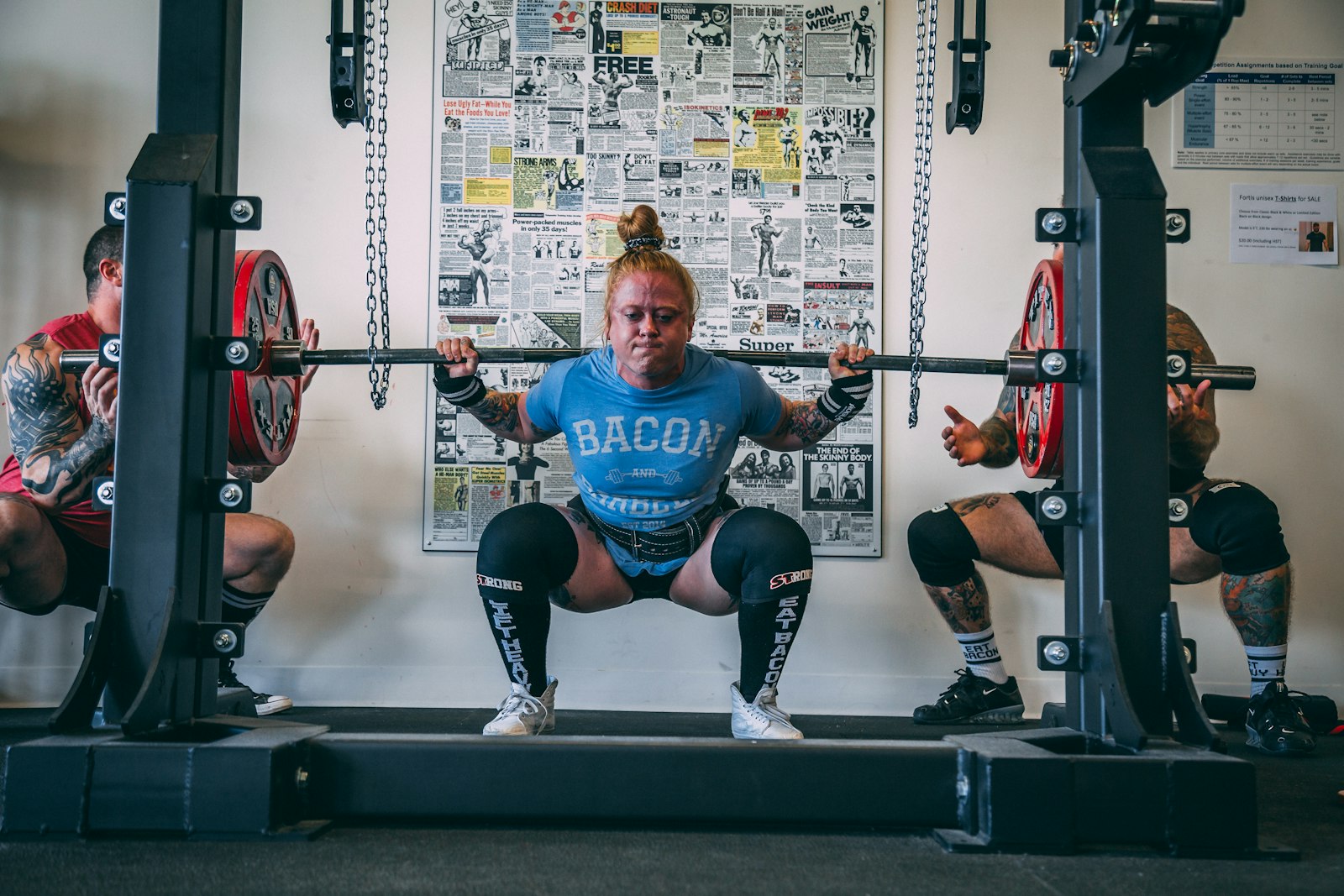
Walk into any gym and watch where the beginners go. Straight to the cable machine for curls, then the pec deck, then a phone-lit circuit of small movements for the muscles they can see in the mirror. Meanwhile the squat rack sits empty, faintly intimidating, used by the two people in the room who actually look like they lift.
That picture isn't an accident. The lifts that build the most muscle are the ones beginners avoid, and the lifts beginners cling to are the finishing touches, not the foundation. Choosing well isn't complicated once you understand the divide: a handful of big compound lifts should anchor every session, and isolation work exists to finish what they can't reach.
- Compound lifts train multiple muscles across multiple joints — the most muscle per minute.
- Build every session on two to four compounds, then add isolation work.
- Isolation lifts target what compounds under-stimulate: side delts, biceps, calves, rear delts.
- Cover the basic movement patterns and you've trained the whole body with a short list.
What actually separates the two
A compound lift moves more than one joint and works several muscles at once. A squat bends the hip, knee, and ankle, and asks the quads, glutes, hamstrings, and core to cooperate. A pull-up moves the shoulder and elbow and trains the back, biceps, and forearms together. An isolation lift moves a single joint and targets one muscle: a bicep curl bends only the elbow, a leg extension only the knee.
Neither is good or bad. They're different tools. Compounds let you load heavy and train a lot of muscle in one efficient movement. Isolations let you point tension precisely at one muscle that the big lifts skim over. A complete plan uses both, in that order of importance.
Why compounds anchor everything
If you could only keep one category, you'd keep compounds without hesitation. They recruit the most muscle, allow the most load, and therefore deliver the most tension and the most growth for the time you spend. Three working sets of squats train more of your body than three sets of leg extensions ever could, and they build usable, real-world strength as a bonus.
They're also the most honest measure of progress. It's hard to fool yourself on a squat or a row — the weight either moved or it didn't. That clarity makes them the perfect lifts to apply progressive overload to, week after week. Start your sessions here, while you're fresh, and give them your best effort.
The lift you're avoiding is usually the one building the most muscle.
The patterns worth covering
You don't need fifty exercises. You need to train a few fundamental movement patterns and let compounds do the heavy work in each. Cover these and almost nothing is left out.
Push
Press something away — bench press, overhead press, dips. Chest, shoulders, triceps.
Pull
Pull something toward you — rows, pull-ups, lat pulldowns. Back and biceps.
Squat
Bend at the knees under load — squats, leg press, lunges. Quads and glutes.
Hinge
Bend at the hips — deadlifts, Romanian deadlifts, hip thrusts. Hamstrings, glutes, back.
Carry & core
Brace and move — carries, planks, hanging work. The trunk that holds it all together.
What isolation is actually for
If compounds are so efficient, why isolate at all? Because the big lifts, for all their reach, leave certain muscles under-stimulated. Side delts barely feature in a press. Biceps get a share of every row but rarely a full, direct stretch. Calves, rear delts, and the long head of the hamstring are easy to neglect if compounds are all you do. Isolation work exists to pay those muscles directly.
It's also how you bring up a lagging body part or a "show" muscle you care about. Want fuller arms or rounder shoulders? Those respond well to focused, direct volume that a squat will never provide. The mistake isn't doing isolation work — it's doing it instead of compounds, or first, when you're freshest. Isolation is the finishing work, not the foundation.
How to combine them in one session
The structure is the same almost every time: anchor with compounds while you're fresh, then spend what's left on targeted isolation. A clean session is two to four compounds followed by two to four isolations — no more moving parts than that.
| Compound | Isolation | |
|---|---|---|
| Joints / muscles | Multiple | One |
| Best for | Most growth and strength per set | Targeting a specific or lagging muscle |
| Place in session | First, while fresh | After the compounds |
| Examples | Squat, row, bench, deadlift, pull-up | Curl, lateral raise, leg extension, calf raise |
An upper-body day might be: a press, a row, a pull-up — then lateral raises and curls to finish. That's the whole logic. The big lifts build the bulk of the physique; the small ones refine it.
Compounds are forgiving of a small setup. A pair of dumbbells covers a goblet squat, a Romanian deadlift, a press, a row, and a lunge — every major pattern, most of your muscle, in one corner of a room. Add bodyweight pull-ups or push-ups and you have a complete foundation before you've spent on a single machine. Isolation can wait until the basics are loaded and progressing.
- Open every session with a compound lift, while you're freshest and strongest.
- Make sure your week covers all five patterns: push, pull, squat, hinge, carry.
- Cap each session at two to four compounds, then two to four isolations.
- Use isolation only to target a muscle the compounds miss — not to replace them.
Anchor on the big lifts. Finish what they can't reach.
The temptation, especially early, is to build your training out of the comfortable, flattering little movements and treat the hard compounds as optional. Reverse it. Let a short list of big lifts carry the weight of your progress, and let isolation work polish the edges. Choose your lifts in that order and you'll spend less time in the gym and bring more of it home as muscle.
Questions, answered
Are compound exercises better than isolation?
For building the most muscle and strength per set, yes — compounds train more muscle across more joints and allow heavier loading. But isolation work is still valuable for targeting specific or lagging muscles. The best plans anchor on compounds and add isolation to finish.
Do I really need isolation exercises?
You can build a strong, muscular base on compounds alone, but isolation work directly targets muscles the big lifts under-stimulate — side delts, biceps, calves, rear delts. If you want balanced, complete development, add some.
What are the best compound lifts to build muscle?
Cover the main movement patterns: a press (bench or overhead), a row or pull-up, a squat or leg press, and a hinge (deadlift or Romanian deadlift). Those few lifts train nearly the whole body.
Can I build big arms with only compound lifts?
Rows and pull-ups give the biceps real work, and presses train the triceps, so you'll build respectable arms. But if arms are a priority, direct isolation work — curls and triceps extensions — adds focused volume the compounds don't fully provide.
How many compound and isolation exercises per session?
A clean session is two to four compound lifts followed by two to four isolation lifts. Start with compounds while you're fresh, then finish with targeted isolation work.