Progressive Overload
Progressive overload is the one principle behind every kilo of muscle you build. The six ways to overload — beyond just lifting heavier — and how to progress without stalling.
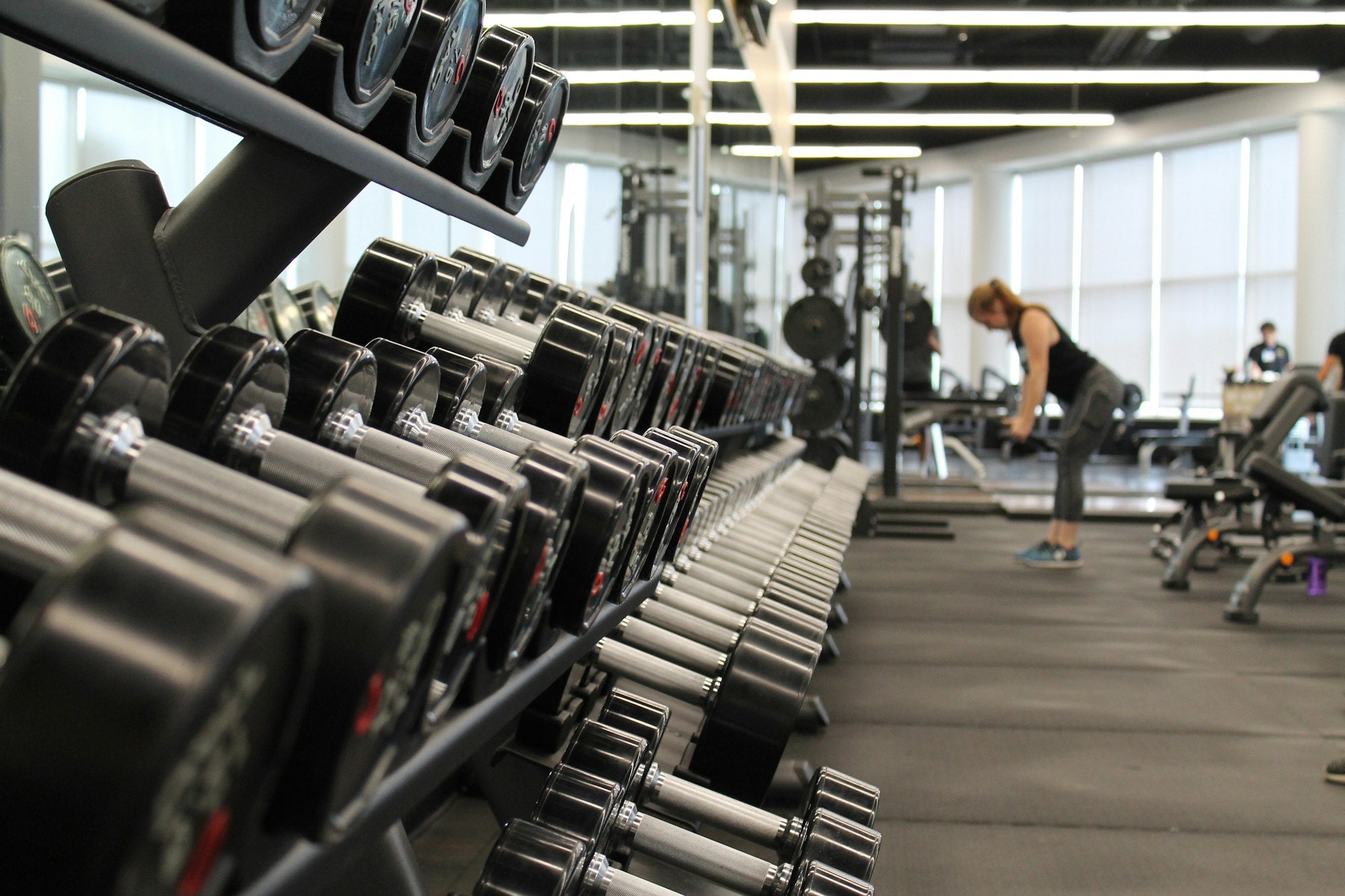
Most people don't fail to build muscle because they're missing some secret programme. They fail because they walk into the same session, lift the same weights, for the same reps, month after month — then wonder why the body in the mirror looks identical in December to how it looked in January.
Your muscles have no reason to change. You never gave them one. That reason has a name, and it is the closest thing training has to a law: progressive overload. Understand it properly and every programme becomes a footnote. Ignore it and no programme on earth will save you.
- Muscle grows only when you ask more of it than you did last time.
- Overload isn't only heavier weight — it's reps, sets, tempo, range, and frequency.
- Progress in small, almost boring increments. 2.5 kg beats a 10 kg ego lift.
- If it isn't written down, it didn't happen. Track every set.
What progressive overload actually means
Progressive overload is the gradual, deliberate increase of the demand you place on a muscle over time. The word doing the heavy lifting is gradual. You are not trying to shock the body in a single session; you are nudging the bar of difficulty upward, week after week, so the body is forced to keep adapting.
The logic is simple. Training is a stimulus. Growth is the body's response to that stimulus. When you push a muscle just beyond what it's used to, you create microscopic damage and a metabolic signal that says this was hard, and it might happen again — prepare for it. Given enough recovery, protein, and sleep, the muscle rebuilds slightly bigger and stronger. Repeat that thousands of times and you have hypertrophy: visible, durable muscle.
Remove the progression and you remove the signal. The same weight that built muscle last year is, this year, simply maintenance.
Why your body would rather not grow
Muscle is expensive. It costs energy to build and energy to carry, and your body — shaped by a long history of scarcity — is relentlessly efficient. It keeps exactly as much muscle as your life demands, and not a gram more. Sit all day and it quietly lets muscle go. Lift heavy things often and it reluctantly invests in more.
This is why "just working out" plateaus so fast. The first few months are generous; almost anything works because almost everything is new. Then your body adapts and the free progress ends. From that point, growth is a negotiation — and progressive overload is how you make the case.
Your body doesn't build muscle because you want it to. It builds muscle because you left it no other option.
Six ways to overload — only one is “add weight”
Most people equate progressive overload with loading more plates. Load matters, but it's one lever of six. On the days you can't add weight — and there will be many — you can still overload by pulling a different one.
Load
Add weight to the bar or move to the next dumbbell. The most direct lever, and the one to reach for last, not first.
Reps
One or two more clean reps per set at the same weight. The simplest honest progress there is.
Sets
Add a working set to a lift. More quality volume is one of the strongest drivers of growth.
Tempo
Lower the weight slower — three seconds down. More time under tension from the same dumbbell.
Range of motion
A deeper squat, a fuller stretch at the bottom. Longer range means more muscle worked per rep.
Frequency
Train a muscle twice a week instead of once. More frequent, well-recovered exposure compounds.
Shortening rest between sets is sometimes called a seventh lever. It is — but mostly for conditioning and work density, not maximum muscle. For pure growth, keep enough rest (90 seconds to two minutes on hard sets) so the next set is genuinely productive.

How to progress without stalling: double progression
Beginners burn out fast because they try to add weight every session until the wheels come off. There's a calmer, more durable method that intermediate lifters quietly rely on: double progression.
It works in two moves. First, pick a rep range for a lift — say 8 to 12. Stay at the same weight and add reps each session until you can hit the top of that range on every set. Only then do you add the smallest possible jump in weight and drop back to the bottom of the range. Then you climb again.
You're progressing twice — first in reps, then in load — so you almost always have somewhere to go. Most importantly: write it down. Last week's numbers are the only honest target for this week. A note on your phone is enough. Memory will lie to you; a log won't.
One pair of dumbbells and a floor? Progressive overload still applies, fully. Add reps, then slow the tempo to three seconds down, then squeeze a deeper range, then add a set — and only buy the next pair of dumbbells once you've wrung those dry. Bodyweight follows the same rule: knee push-ups, full push-ups, feet-elevated, then archer. Harder is just overload by another name.
How fast should you actually push?
Faster is not better. Adding too much too soon buys you a stall or a strain, not a shortcut. Keep weekly increases modest — single-digit percentages — and let your training age set the pace. The newer you are, the faster you progress.
| Level | Add weight | Best rep range |
|---|---|---|
| Beginner (0–1 yr) | Most weeks | 8–12 (build the habit) |
| Intermediate (1–3 yr) | Every 2 weeks | 6–12 (drive volume) |
| Advanced (3 yr+) | ~Monthly, with deloads | 5–15 (vary the stimulus) |
On a barbell, the smallest honest jump is usually 2.5 kg total. On dumbbells the gaps are bigger, which is exactly when reps, tempo, and range earn their keep. Small wins, stacked weekly, beat heroics. Strength tends to show in two to four weeks; visible muscle in roughly eight to twelve — provided the rest of your life is doing its job.

When to back off — and why it builds more muscle
Progression isn't a straight line, and pretending it is will break you. When the bar stops moving for two or three sessions in a row, that's not failure — it's information. Usually it points at recovery, not effort.
Three things sit underneath every honest gain, and overload can't outrun any of them. Protein gives the body material to rebuild. Sleep is when the rebuilding actually happens. And the occasional planned deload — a lighter week every six to eight — lets fatigue drain so the next push lands. Muscle isn't built in the gym; it's built in the hours you don't see. The session is just the invitation.
- Pick three core lifts and write down exactly what you did last session.
- On each, beat last week by one rep — or one small plate. Nothing more.
- Lower every weight on a slow three-count. Same load, more tension.
- Log it before you leave the gym. Next week, the number is the target.
Train with intention. Compound with patience.
Progressive overload isn't exciting. There's no secret in it, nothing to sell you, no thirty-day transformation. It's just the unglamorous truth that the body changes only when you ask it to, a little more each time, for a long time. Do that with intention and patience, and the results aren't a question of if. They're only a question of how long you're willing to keep asking.
Questions, answered
What is progressive overload in simple terms?
It means gradually asking your muscles to do a little more than they did last time — more weight, more reps, more sets, slower tempo, or fuller range of motion — so the body is forced to adapt and grow.
How often should I increase the weight?
Beginners can progress most weeks, intermediates every two weeks, and advanced lifters about monthly. Add the smallest honest jump — 2.5 kg or one to two reps — rather than chasing big leaps.
Is progressive overload only about lifting heavier?
No. Load is one of six levers. You can also add reps, add sets, slow the tempo, increase range of motion, or train a muscle more frequently — each overloads the muscle without touching the weight.
How do I apply it at home with limited weights?
Lean on reps, tempo, and range of motion. Slow each rep, add reps within a range, then move to harder bodyweight variations — or buy the next pair of dumbbells once you've exhausted the easier levers.
How long until I see results?
Strength usually climbs within two to four weeks. Visible muscle typically takes eight to twelve weeks of consistent, tracked progression — paired with enough protein and sleep.