How to Train for Strength vs Size
Both build muscle and both build strength — but the emphasis differs. How to bias your training toward maximal strength or maximal size.
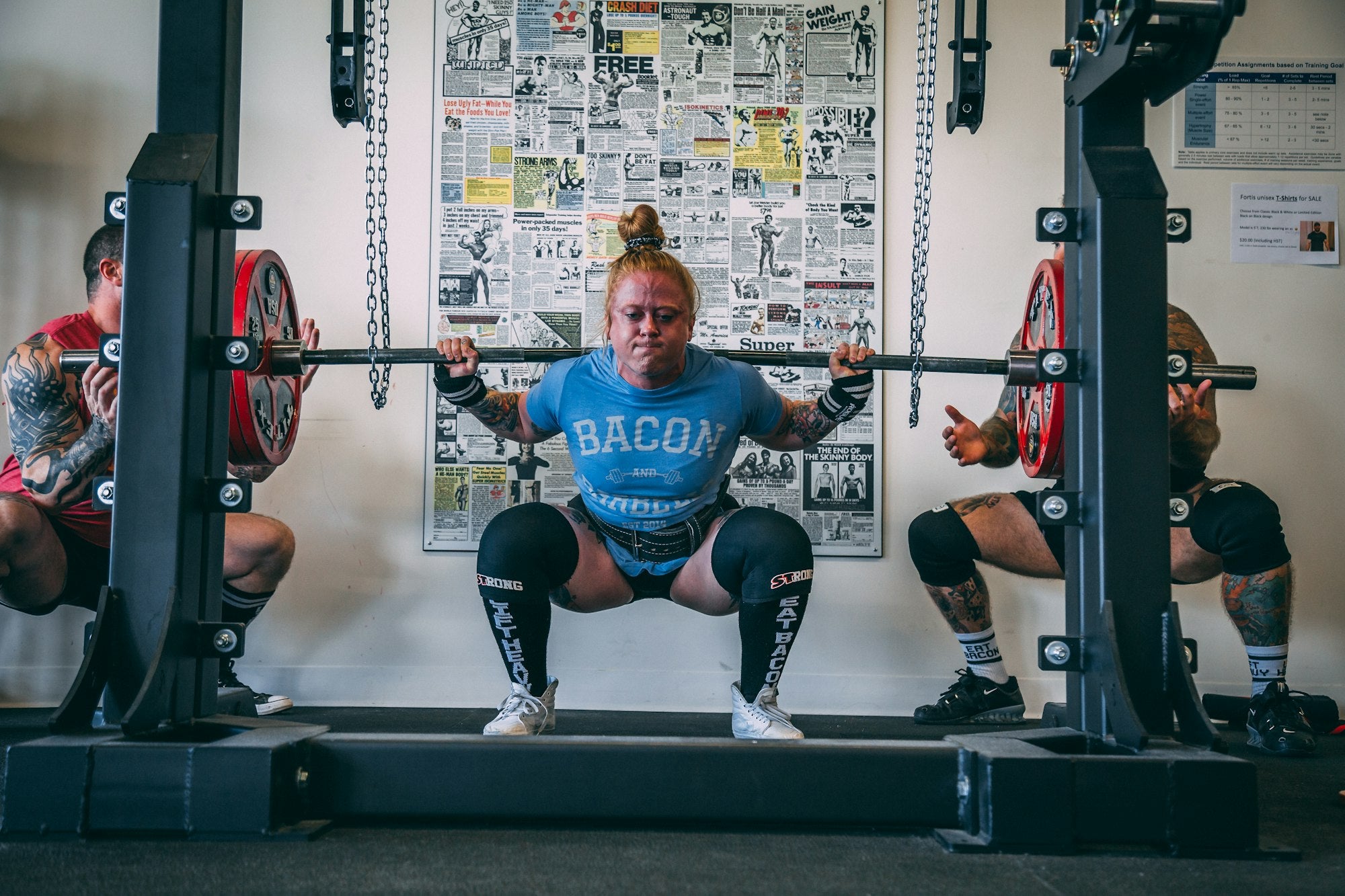
Strength and size travel together — get stronger and you'll usually get bigger, build muscle and you'll usually get stronger. But they aren't identical goals, and once you're past the beginner stage you can bias your training toward one or the other. A powerlifter and a bodybuilder both lift hard; they just turn the dials differently. Knowing which dials to turn lets you train for the outcome you actually want.
- Strength and size overlap heavily, especially for beginners — you don't have to choose early.
- Strength favours heavier loads, lower reps, and longer rest, with skill on the big lifts.
- Size favours moderate loads, more reps and total volume, and shorter rest.
- Most people are best served by a blend — heavy work plus higher-rep volume.
The overlap, first
For your first year or two, this whole question barely matters: almost any hard, progressive training makes you both bigger and stronger at once. The distinction becomes useful later, when you want to prioritise. Even then it's a matter of emphasis, not separate worlds — strength work builds muscle, and bigger muscles have more strength potential. You're tilting the balance, not picking a side.
The dials: load, reps, rest
Three variables shift depending on the goal.
| Dial | Strength | Size |
|---|---|---|
| Load & reps | Heavier, lower reps (≈1–6) | Moderate, higher reps (≈6–15) |
| Rest | Longer (3–5 min) for full recovery | Moderate (1.5–3 min) |
| Volume | Lower, focused on key lifts | Higher total sets per muscle |
| Focus | Skill on a few big lifts | Working each muscle well, varied angles |
Strength is partly a skill, so it rewards practising heavy on a handful of big lifts. Size responds most to total hard volume, so it rewards more sets across more exercises and angles, at rep ranges that let you accumulate that volume.
Programming for each — or both
To emphasise strength, build sessions around a few compound lifts done heavy for low reps with long rest, and keep accessory work minimal. To emphasise size, include some heavier work but spend most of your sets in the moderate-rep range across more exercises, chasing total volume. To get both — which suits most people — start sessions with a heavy compound in a low rep range, then do your higher-rep accessory volume after. That hybrid captures most of the benefit of each.
The "strength is low reps, size is high reps" split is a useful guide, not a law. You build real muscle across a wide range of reps as long as you train hard, and you build strength in higher reps too. Don't agonise over the perfect number — train hard, progress, and lean the ranges toward your goal.
- Decide your emphasis — strength, size, or a blend (most people).
- For strength: heavy compounds, low reps, long rest, few lifts.
- For size: more total sets, moderate reps, varied exercises.
- For both: heavy compound first, higher-rep volume after.
Same hard work, aimed. Turn the dials toward your goal.
Strength and size are siblings, not strangers. Train hard and progressively and you'll build both; tilt your loads, reps, rest, and volume and you'll favour whichever you're chasing. For most people, the honest answer is a blend — go heavy on the big lifts, then earn your size with volume, and enjoy getting both at once.
Questions, answered
Can I build strength and size at the same time?
Yes, especially as a beginner — they overlap heavily. Even advanced lifters can train for both at once by combining heavy low-rep work with higher-rep volume; it's a matter of emphasis, not exclusivity.
Do low reps build muscle too?
Yes. Heavy, low-rep training builds muscle as well as strength, provided you do enough total volume. Likewise, higher reps build strength. The ranges bias the result; they don't lock you out of the other.
Which should a beginner focus on?
Neither exclusively — just train hard and progress. Beginners gain strength and size together on almost any sensible programme. Pick a specific emphasis later, once progress naturally slows.
How should I rest for each?
Longer for strength (3–5 minutes) so you can move maximal loads each set; moderate (1.5–3 minutes) for size, enough to keep reps high across your volume.