How to Build Your First Workout Routine
Before any clever programme, a simple structure you'll actually repeat. Here's how to build one from scratch.
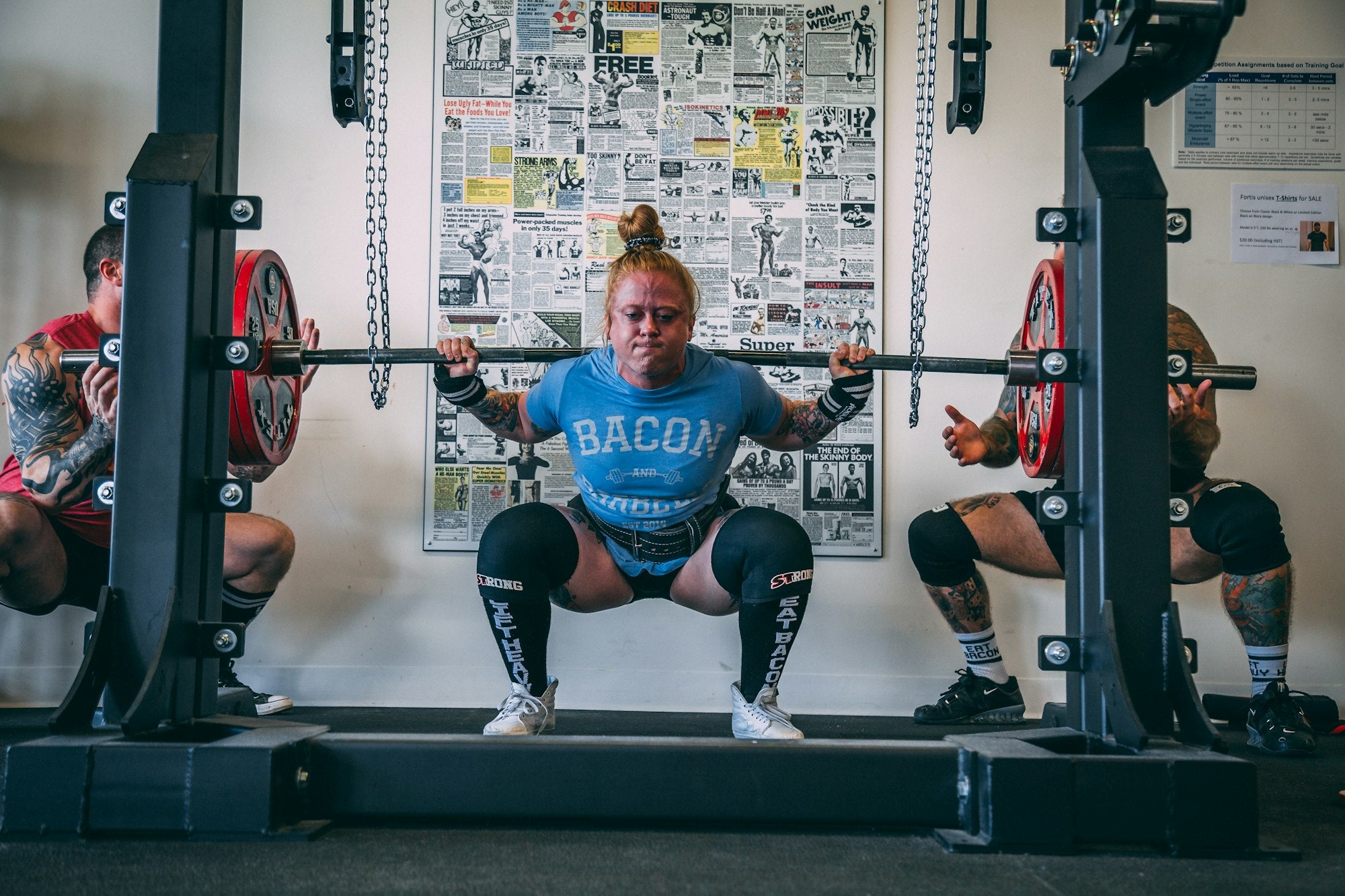
The internet will sell you a hundred programmes before you've done a single squat. Ignore them for now. Your first routine doesn't need to be optimal — it needs to be simple enough that you'll actually do it three times a week without thinking. The magic isn't in the programme; it's in the repetition, and you protect the repetition by keeping things stupidly straightforward at the start.
Here's how to assemble a routine from first principles, so you understand why it's built that way and can adjust it as you grow.
- Start with two to four full-body days a week — frequency beats fancy splits early on.
- Build each session from the fundamental movement patterns, not random exercises.
- Two to four sets of six to twelve reps per movement covers almost everyone.
- Pick weights you can progress, write them down, and add a little each week.
Pick your frequency
As a beginner, full-body sessions two to four times a week beat the body-part "bro splits" you see online. Why? You're learning the movements, and practising them more often makes you better faster — and each muscle gets trained two or three times a week, which is ideal for growth. Three full-body days with a rest day between is the classic, near-perfect starting point. Two days still works if life is tight; four is plenty if you're keen. You do not need five or six.
Build from the six patterns
Don't pick exercises at random. Every good full-body session covers the handful of fundamental ways the human body moves. Choose one exercise for each pattern and you have a complete workout.
Squat
Knees-and-hips bend — goblet or back squat, leg press. Trains quads, glutes, the whole lower body.
Hinge
Bend from the hips — Romanian deadlift, hip thrust. The back of your body: hamstrings, glutes, back.
Push (horizontal)
Press away from your chest — push-up, bench or machine press. Chest, shoulders, triceps.
Pull (horizontal)
Row toward you — dumbbell or cable row. The mid-back and biceps that balance pressing.
Push (vertical)
Press overhead — shoulder press. Shoulders and triceps through a different angle.
Pull (vertical) & core
Pull from above — lat pulldown, assisted pull-up — plus a core brace like a plank.
Hit these and nothing important is missed. As you advance you'll add isolation work — curls, lateral raises — but the patterns above are the load-bearing structure of any routine.
Sets, reps, and progression
Keep it simple: two to four sets of each movement, in the six-to-twelve rep range, stopping a rep or two before failure. Rest a minute or two between sets. The number that actually matters is whether it goes up over time — that's progressive overload, the one law of building muscle. Write down what you lift, and each week try to beat it by a rep or a small jump in weight.
No gym? The patterns don't change, only the tools. Squat (bodyweight, then goblet with one dumbbell), hinge (hip thrust, RDL with dumbbells), push (push-ups, floor press), pull (dumbbell rows, or a doorway/band row), overhead press, and a plank. One pair of adjustable dumbbells covers a full beginner routine for months.
- Choose three full-body days with rest between them.
- Pick one exercise for each of the six patterns.
- Do 2–4 sets of 6–12 reps, stopping just short of failure.
- Log every set and beat last week by a rep or a small plate.
Simple and repeated beats perfect and abandoned.
Your first routine is a vehicle for building the habit and learning the movements — nothing more, and nothing less. Keep it simple, run it for a few months, and let progressive overload do the work. The fancy programmes will still be there when you've earned the need for them.
Questions, answered
How many days a week should a beginner train?
Three full-body days is the sweet spot, but two still works well and four is fine if you're motivated. Frequency and consistency matter far more than the number of days or any clever split.
Should I do full-body or a split?
Full-body, to start. It lets you practise the key movements more often and trains each muscle two to three times a week. Splits become useful later, once you're adding more total volume.
How many exercises per session?
Around five to seven — one for each fundamental pattern — is plenty for a beginner. More than that usually means junk volume you can't recover from or progress on.
How do I know when to make it harder?
When you can hit the top of your rep range on all sets with good form, add a little weight and drop back down the range. That steady progression is the whole engine of the routine.