Free Weights vs Machines: Which to Use
Not a war — a toolbox. When to reach for the barbell, when for the machine, and why beginners want both.
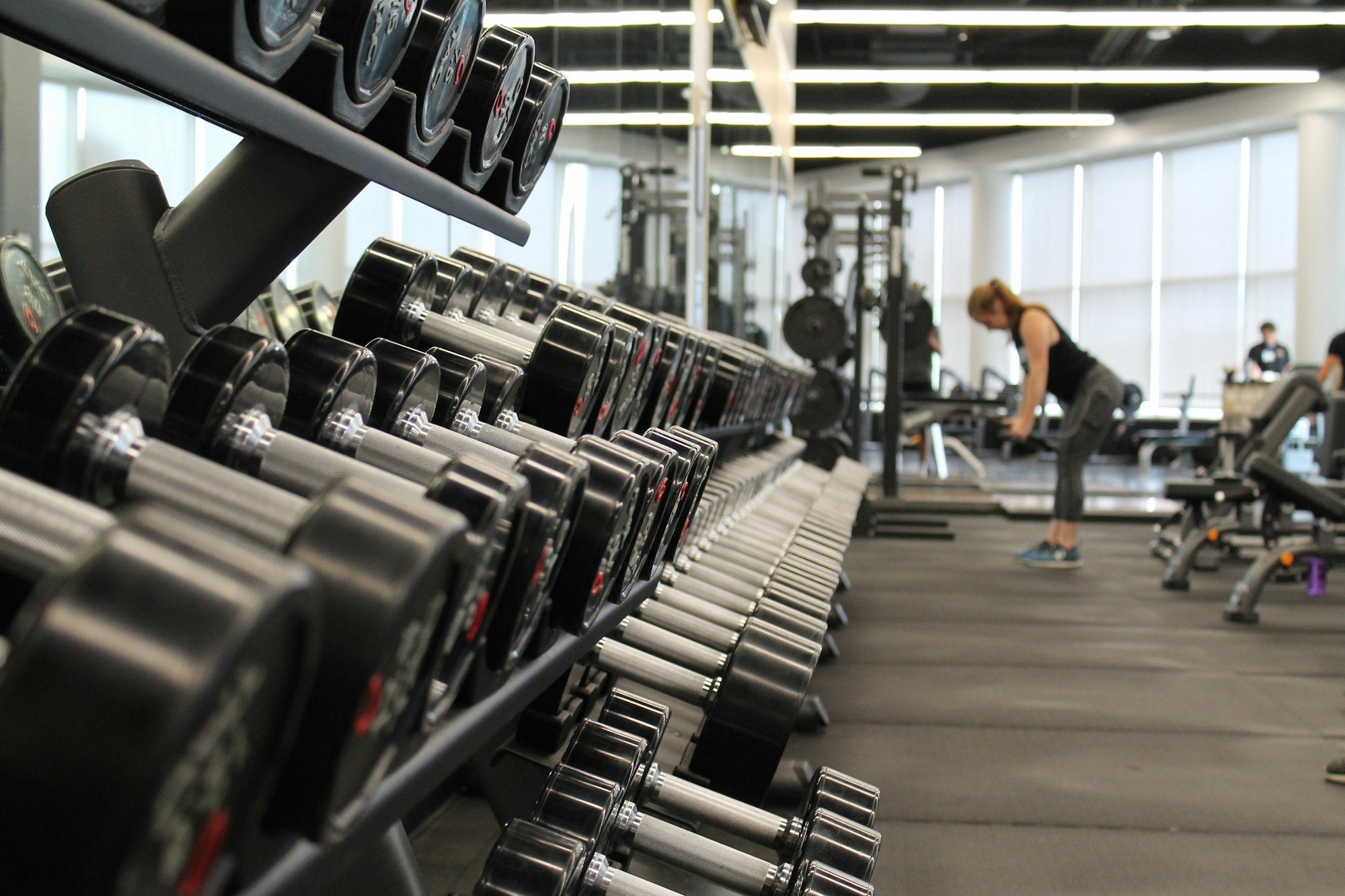
Gym lore loves a rivalry, and few are older than free weights versus machines — the hardcore barbell purists on one side, the machine-circuit crowd on the other. It's a false fight. Both are just tools for the same job: making a muscle work hard against resistance so it has a reason to grow. The right question isn't which is superior, but which tool fits this exercise, this goal, and this day.
Understand what each does well and you'll use the whole gym intelligently instead of tribally.
- Free weights build more coordination and stabiliser strength, and carry over to real life.
- Machines are easier to learn, safer to push near failure solo, and great for isolation.
- For building muscle, both work — what matters is effort and progression, not the tool.
- Beginners do best with a mix: free weights for the big patterns, machines to add safe volume.
What each is good at
Free weights — barbells, dumbbells, kettlebells — move in any direction, so your body has to balance and control the load. That builds coordination and stabiliser strength, trains muscles in a way that transfers to lifting and sport, and lets one pair of dumbbells hit dozens of exercises. The cost is a steeper learning curve and more risk if you push to failure alone. Machines fix the path of movement, which makes them easier to learn, safer to grind near failure without a spotter, and excellent for targeting one muscle. The cost is less real-world transfer and a fixed groove that may not fit every body.
| Free weights | Machines | |
|---|---|---|
| Learning curve | Steeper — technique matters | Gentle — guided path |
| Stabilisers & coordination | High | Low |
| Safe to push solo | Riskier near failure | Very safe |
| Best for | Big compound patterns, transfer | Isolation, added volume, beginners learning |
The beginner's answer: both
You don't have to choose. The smartest beginner setup uses free weights (or their machine-guided cousins) for the big compound patterns, then machines and cables to add extra, low-skill volume for specific muscles without frying your coordination. A machine chest press to learn the pattern, then dumbbells as you gain confidence; barbell or goblet squats for legs, then a leg press or leg curl to add volume safely. Use each where it shines.
If the barbell section feels like an intimidating club, start with machines and dumbbells in a quieter corner — there's zero shame in it, and you'll build real muscle. As your confidence and technique grow, drift toward the free weights. The best tool is always the one you'll actually use with full effort, not the one with the most status attached.
Putting it together
A simple rule of thumb: open with one or two free-weight (or guided compound) movements while you're fresh and focused, since they demand the most skill and energy, then finish with machines and cables for the muscles you want to bring up, where the guided path lets you push hard safely as you tire. That sequence gives you the strength and transfer of free weights and the safe, targeted volume of machines in one session.
- Start sessions with a big free-weight or guided compound lift while fresh.
- Use machines and cables later to add safe volume for target muscles.
- Push machine sets closer to failure — they're safer to do solo.
- Pick whichever version of a movement you can do with full effort and good form.
The muscle can't read the label. Effort builds it.
Free weights and machines aren't rival philosophies; they're different tools for the same goal. Learn what each does best, use both without tribal loyalty, and judge every exercise by one question: did it make the muscle work hard, safely, and a little harder than last time? If yes, the tool did its job.
Questions, answered
Are free weights better than machines for building muscle?
For pure muscle growth, the difference is small — effort and progression matter most. Free weights add more coordination and transfer; machines add safe, targeted volume. Most people grow best using both.
Are machines a waste of time for "real" lifters?
Not at all. Machines let you safely push a muscle close to failure, isolate weak points, and add volume without taxing your coordination. Even advanced lifters use them deliberately.
I'm nervous about free weights — can I just use machines?
Yes. You can build a strong, muscular body on machines and dumbbells alone. Add free weights gradually as your confidence grows, but there's no rule that says you must.
What should I do first in a session?
The most demanding, skill-heavy lifts — usually free-weight compounds — while you're fresh. Save machines and isolation for later, when fatigue makes their guided, safer path an advantage.