Auto-Regulation and RPE: Training by Feel, Backed by Numbers
Your printed programme doesn't know you slept badly. Auto-regulation lets each session meet you where you are — without losing the plot.
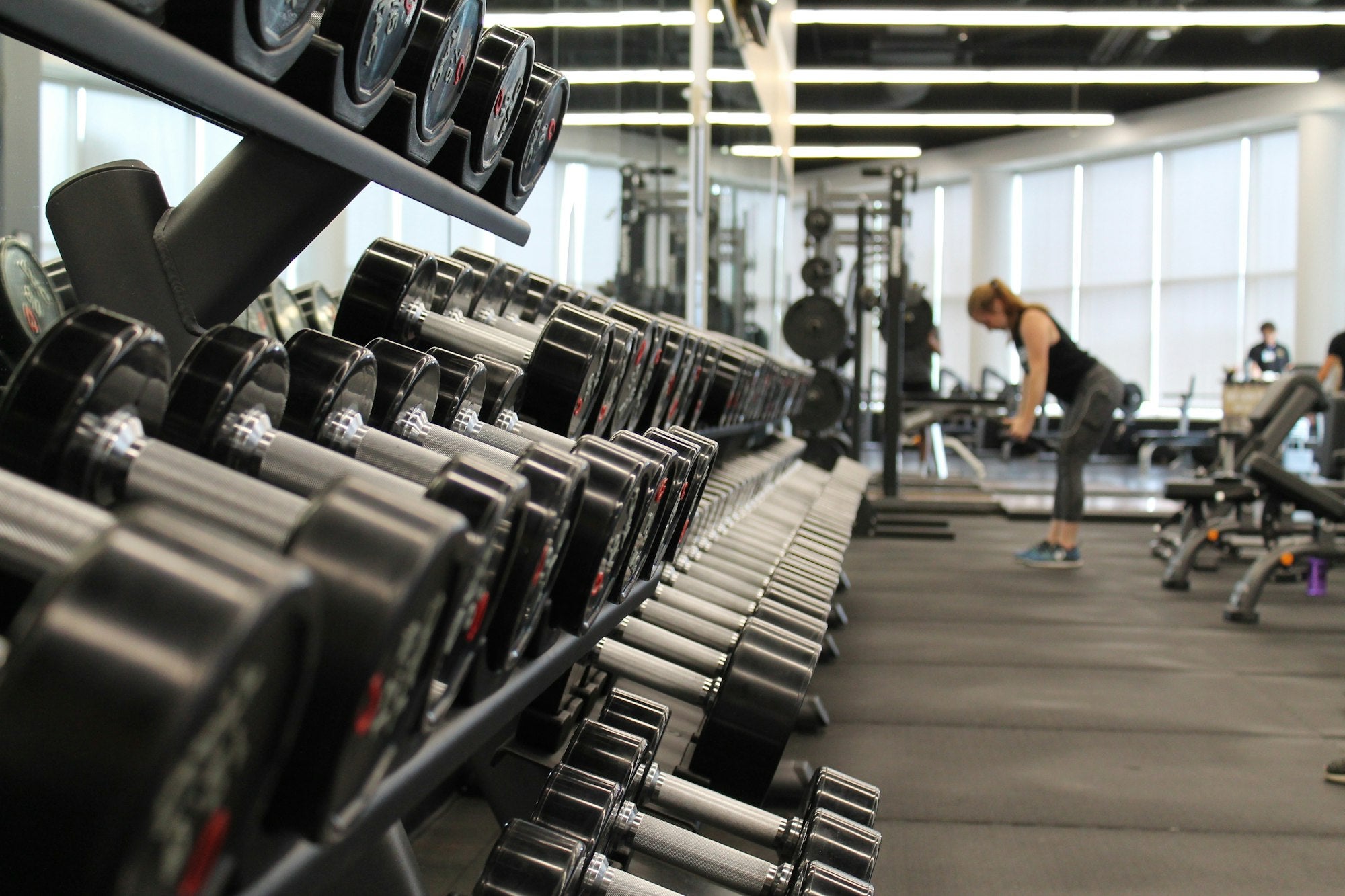
A written programme is a guess made in advance. It decides on Sunday what you will lift on Thursday — before it knows that Thursday follows a bad night's sleep, a skipped lunch, and a long day on your feet. Some days you arrive stronger than the plan expects; more days, a little weaker. Auto-regulation is how you keep the plan honest in the moment.
The tool that makes it work is a number: RPE, rate of perceived exertion. It sounds soft — training by feel — but used properly it is the most precise way a natural lifter has to apply exactly the right amount of effort, on a body that changes day to day.
- Auto-regulation means adjusting load and volume to how you perform that day, against a fixed target effort.
- RPE rates a set 1–10; reps in reserve (RIR) counts how many you left in the tank.
- RPE 8 — about two reps from failure — is the workhorse for building muscle.
- The whole skill is honesty. A set is only as useful as your rating of it is accurate.
What auto-regulation means
Instead of prescribing "100 kg for 3 sets of 8" and forcing it whatever the cost, auto-regulation prescribes a target effort — "3 sets of 8 at RPE 8" — and lets the weight float to meet it. On a strong day, RPE 8 might be 102.5 kg. On a flat one, it might be 95. The stimulus stays the same; only the number on the bar bends. You stop grinding ugly, injury-courting reps on bad days and stop leaving easy progress on the table on good ones.
RPE and RIR, decoded
The scale is simple once you anchor it to reps in reserve — how many more clean reps you could have done.
| RPE | Reps in reserve | What it feels like |
|---|---|---|
| 10 | 0 | Absolute failure — no rep left, form breaking |
| 9 | 1 | One more, maybe, if your life depended on it |
| 8 | 2 | Two clean reps left — the muscle-building sweet spot |
| 7 | 3 | Three left; good for technique and added volume |
| 5–6 | 4+ | Comfortable — warm-ups and speed work |
Most of your growth work belongs at RPE 7–9: hard enough to demand adaptation, controlled enough to repeat tomorrow. Living at RPE 10 every set feels productive and quietly wrecks your recovery.
How to use it, set to set
Pick a target RPE for your working sets — 8 for most hypertrophy work. Take your first set to that effort and read it. If the prescribed weight flew up at what felt like RPE 6, add a little for the next set. If set one already ground to RPE 9, drop the load so the rest of your sets stay productive. You can auto-regulate volume the same way: on a day everything feels crisp, add a set; on a day you're scraping, cut one and go home. You will lose nothing.
Beginners almost always under-rate effort — they call a set RPE 8 when four reps were left. That's normal: you can't judge nearness to failure until you've felt failure a few times. Spend your first months taking the occasional set to true failure on a safe machine (leg press, lat pulldown), learn what one rep from the edge actually feels like, and only then lean on RPE to keep you just shy of it.
When to push, when to pull back
RPE also doubles as an early-warning system. If the same weights start costing you a higher RPE across a week — Tuesday's 8 becomes Friday's 9 for no good reason — that is fatigue accumulating, not weakness arriving. It is the cleanest signal you'll get that a deload is due. Chase the effort, not the ego: the goal is the right stimulus, repeatable, not a heroic single you pay for with three bad sessions.
- On one safe machine, take a single set to genuine failure. Note the rep where form broke.
- On every other set this week, stop two reps before that point — that's your RPE 8.
- Write the RPE next to each working set in your log.
- If a planned weight feels above RPE 9 on its first set, lower it. No guilt, no exception.
The number on the bar serves the effort — not the other way around.
Auto-regulation asks for something harder than discipline: self-honesty, set after set. Give it that and your training stops being a script you fight against and becomes a conversation with a body that is different every day. The plan still leads. It just finally listens.
Questions, answered
What's the difference between RPE and RIR?
They are two views of the same thing. RIR counts the reps you had left; RPE rates the effort on a 1–10 scale. RPE 8 equals 2 reps in reserve, RPE 9 equals 1, RPE 10 equals 0. Use whichever you find easier to feel.
Do I have to train to failure to grow?
No. Most evidence says stopping one to three reps short (RPE 7–9) builds muscle just as well as training to failure, with far less fatigue and lower injury risk. Save true failure for the occasional set on safe exercises.
Can beginners use RPE?
Yes, but calibrate it first. New lifters tend to under-rate effort, so spend a few months learning what near-failure feels like before trusting your ratings to guide load.
If the weight changes daily, how do I know I'm progressing?
Track reps at a given RPE over time. If 8 reps at RPE 8 becomes 9 reps at RPE 8 at the same weight a month later, you've progressed — even if some individual sessions were lighter.