Hunger, Cravings, and How to Survive a Deficit
Hunger, not willpower, is why diets fail. How to engineer a deficit that keeps you full with protein, fibre, and volume — and handle cravings without bingeing.
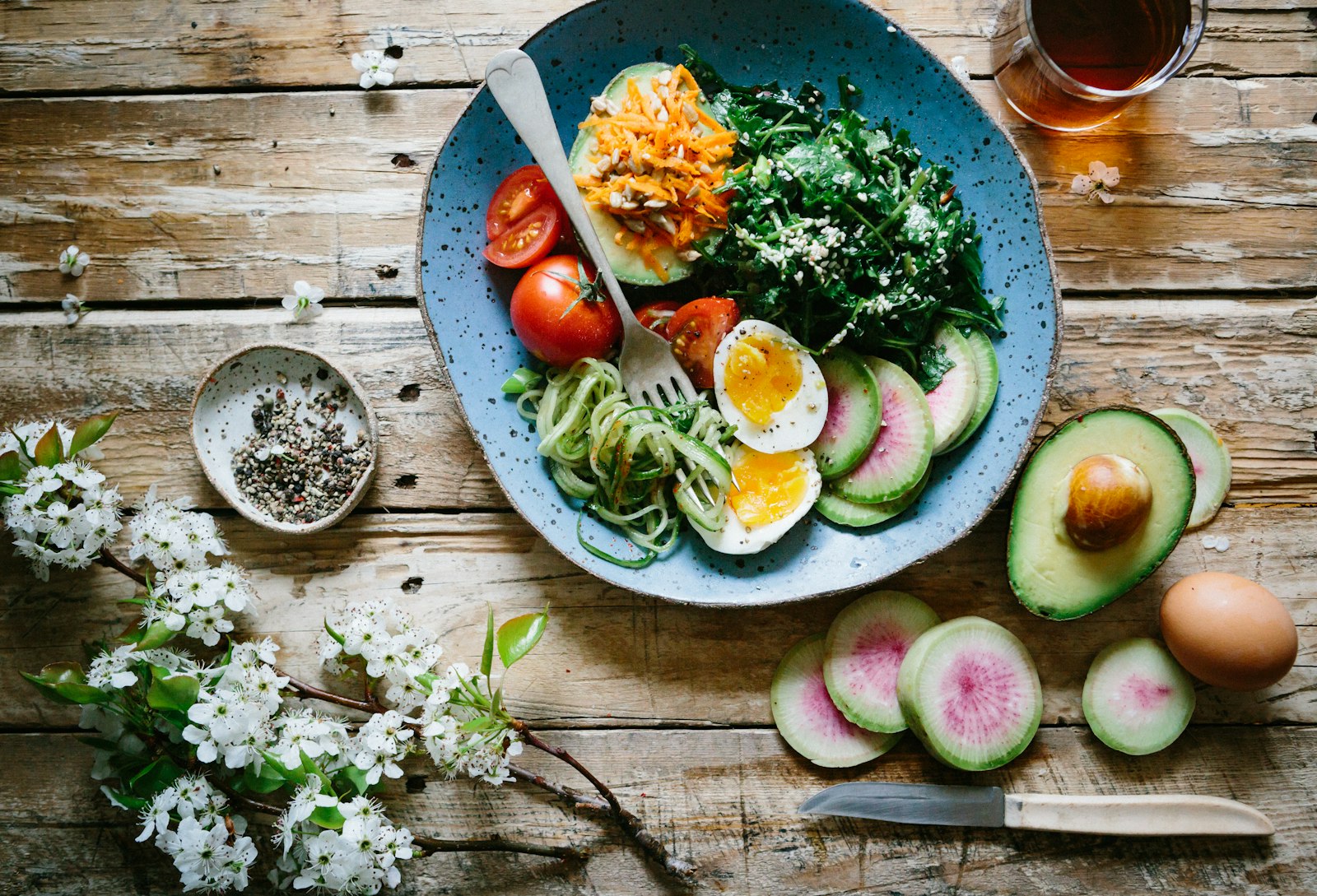
Almost every failed diet has the same final scene. Not a lack of knowledge, not a metabolic curse — just a person, three weeks in, exhausted by relentless hunger, standing in front of the fridge at 11 p.m. losing a fight they were always going to lose. They blame their willpower. They had plenty. What they didn't have was a diet built to keep them full.
Hunger, not weak discipline, is why most diets collapse. And hunger is not a fixed price you pay for fat loss — it's a variable you can engineer down. The same calorie deficit can leave you ravenous or perfectly comfortable depending on what you eat and how you set up your day. You don't out-willpower hunger. You out-engineer it.
- Hunger, not willpower, is why most diets fail — so stop blaming your discipline.
- Protein and fibre are the satiety levers; build meals around them.
- Eat high-volume, low-calorie foods to fill your stomach for fewer calories.
- Plan cravings in rather than banning foods — deprivation backfires into bingeing.
It's hunger, not willpower
We've been taught to see dieting as a test of character — the strong succeed, the weak cave. It's a cruel and inaccurate story. Appetite is driven by powerful biology, and a hungry enough body will eventually override any amount of resolve, as it's designed to. People who "fail" diets aren't morally weaker; they were running a diet that made them too hungry to sustain, and biology won, as it always does.
Reframing this changes everything. If hunger is the enemy, then the solution isn't more willpower — it's a smarter setup that keeps hunger low enough that willpower rarely gets tested. That's not cheating; that's the whole skill. The best dieters aren't the most disciplined. They're the least hungry.
The satiety levers: protein and fibre
Two nutrients do most of the work of keeping you full, and a deficit that's rich in both is a deficit you can actually live with. Protein is the most satiating of the macronutrients — it blunts appetite more than carbs or fat for the same calories, which is one more reason it sits at the centre of every VYSN plate. Fibre adds bulk and slows digestion, keeping you satisfied for longer.
So the practical move is to build every meal around a serious protein source and plenty of fibrous vegetables and whole foods. A meal of dal, vegetables, curd, and a moderate portion of rice will hold you far longer than the same calories from refined snacks. Same deficit, completely different hunger.
The best dieters aren't the most disciplined. They're the least hungry.
Eat more food, not fewer calories' worth
Here's a trick that feels like cheating: you can eat a larger volume of food on a diet, not smaller, by choosing foods with low energy density — lots of weight and volume for few calories. Vegetables, fruit, dal, salads, soups, and broth-based curries fill your stomach and trigger fullness while costing very little. Your body reads "a big meal", your calorie count stays low.
| Instead of | Try | Why |
|---|---|---|
| A handful of namkeen / chips | A big bowl of fruit or roasted chana | Far more food, far fewer calories, more fibre |
| A second helping of rice | A second helping of sabzi or salad | Volume and fullness without the calorie load |
| A sugary drink or juice | Chaas, nimbu pani, or water | Liquid calories don't fill you; these barely cost any |
| Fried snack with chai | Chai with a boiled egg or sprouts | Protein keeps you full; the fried snack doesn't |
Lean on these swaps and you get to eat satisfying, plate-filling meals while staying in a deficit — which is the difference between a diet you endure and one you barely notice.
Handling cravings without bingeing
Hunger is your body needing food; a craving is your mind wanting a specific food — the mithai, the chips, the chocolate. The instinct is to ban these outright, but total deprivation almost always backfires: the forbidden food grows louder in your head until you break and overeat it. The durable approach is to plan a small amount in, on purpose, so it never becomes a binge.
Fit a controlled portion of what you crave into your calories rather than swearing off it. A planned square of chocolate or a single sweet, accounted for, keeps the craving managed and your diet intact. Two unglamorous supports matter here too: sleep, because poor sleep sharply increases hunger and cravings the next day, and water, because mild thirst often masquerades as hunger. Fix those before you assume you need to eat.
A few Indian habits quietly sabotage a deficit. The endless cups of sweet chai, each with sugar and biscuits, add up invisibly. Fried namkeen and snacks are pure calorie density with no staying power. Juices and sweetened drinks deliver calories that don't fill you at all. None need to be banned — but swap most chais to less sugar, trade the namkeen for fruit, sprouts, or roasted chana, and drink water or chaas instead of juice. The volume-eating principle fits Indian food beautifully: dal, sabzi, salad, and curd fill you for very little.
- Build every meal around protein and plenty of fibrous vegetables.
- Swap calorie-dense snacks for high-volume ones — fruit, salad, sprouts, chana.
- Plan a small portion of a food you crave into your calories instead of banning it.
- Protect your sleep and drink water before assuming the urge is hunger.
You don't out-willpower hunger. You out-engineer it.
If your last diet ended at the fridge door, the problem was never your character — it was a setup that left you too hungry to continue. Build the deficit out of protein, fibre, and high-volume food; plan your cravings in instead of banning them; defend your sleep and your water. Do that and the deficit stops being a daily battle of willpower and becomes something you can quietly sustain for as long as it takes. The diet you can survive is the only one that works.
Questions, answered
How do I control hunger on a diet?
Build meals around protein and fibre, the two most filling things you can eat, and lean on high-volume, low-calorie foods like vegetables, fruit, dal, and salads. Protect your sleep and drink water too. A well-set-up deficit can be surprisingly comfortable.
Why am I always hungry when dieting?
Usually because the diet is built from calorie-dense, low-protein, low-fibre foods that don't fill you, and possibly because you're cutting too hard or sleeping poorly. Raise protein and fibre, add high-volume foods, moderate the deficit, and fix your sleep.
How do I stop cravings?
Don't ban the food — plan a small, accounted-for portion of it in, since total deprivation tends to backfire into bingeing. Also check your sleep and hydration, as poor sleep and mild thirst both amplify cravings.
Do cheat meals or planned treats help?
A planned, controlled treat can help by keeping cravings manageable and the diet sustainable. The key is "planned and portioned" rather than an unrestrained binge. Fit what you crave into your calories instead of swearing it off entirely.
Does drinking water reduce hunger?
It can help. Mild thirst is often mistaken for hunger, and a glass of water before reaching for food settles that. Water and high-volume foods also fill the stomach, which supports fullness — though water isn't a substitute for adequate protein and fibre.