Body Recomposition: Losing Fat While Gaining Muscle
The textbook says you can't lose fat and build muscle at once. Reality is kinder — under the right conditions, the scale holds steady while the mirror changes.
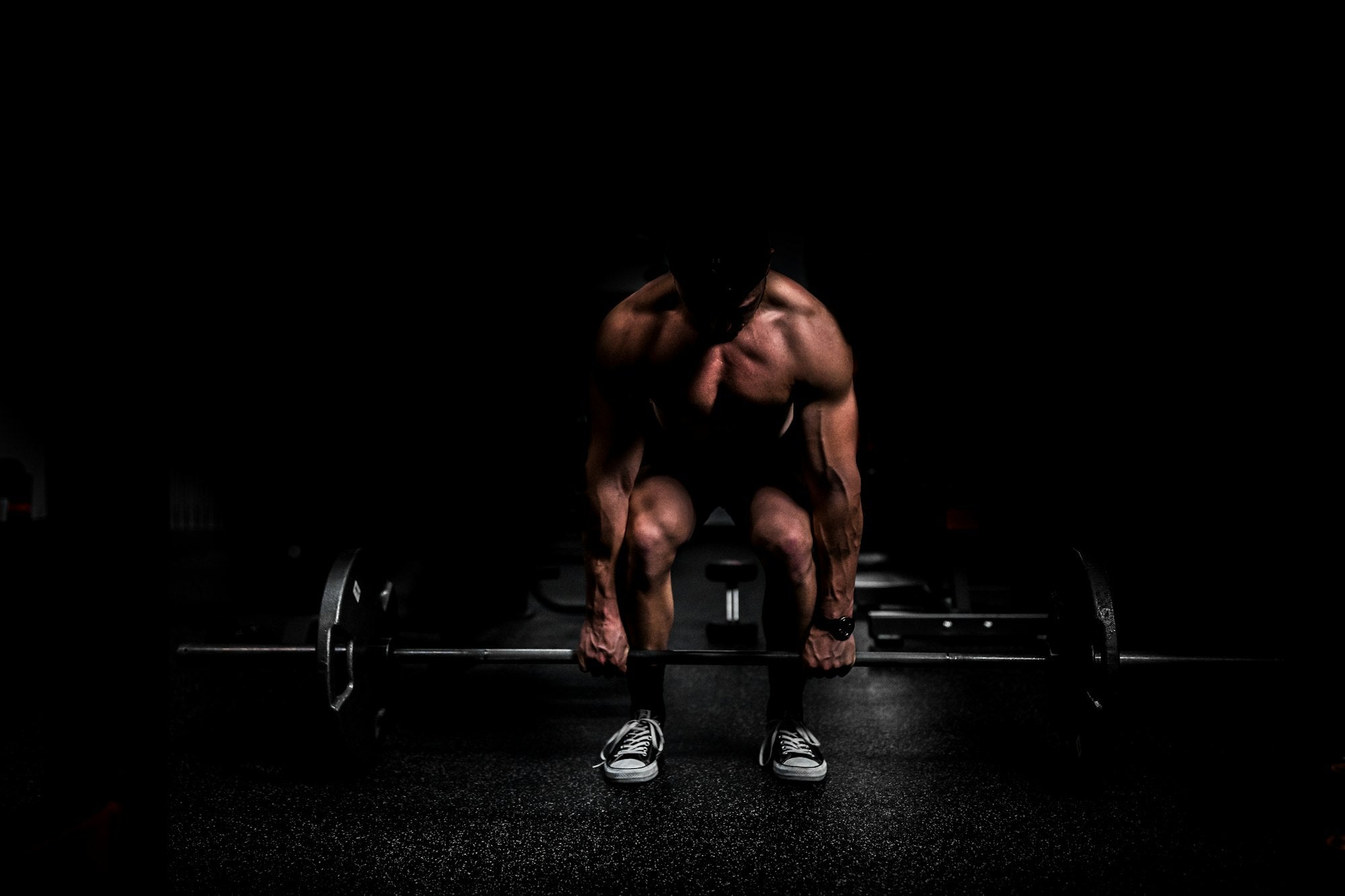
Ask the internet whether you can build muscle and lose fat at the same time and you'll get a firm no, usually followed by a lecture: building needs a surplus, losing needs a deficit, and you cannot be in both at once. The logic is tidy. It's also incomplete — because it assumes your body only ever draws on the food on your plate, and ignores the large fuel reserve strapped around your middle.
Body recomposition — recomp — is the slow art of holding your weight roughly steady while fat goes down and muscle goes up underneath. It won't happen as fast as a dedicated bulk or a focused cut, and it won't happen for everyone. But for the right person, doing the right things, it is very real.
- Recomp works because your body can fuel muscle growth partly from stored fat, not only from food.
- It's fastest for beginners, returning lifters, and those starting with more fat to lose.
- The scale barely moves — so you measure progress with photos, the tape, and your logbook.
- High protein and progressive overload are non-negotiable. Without them, you just maintain.
How recomp is even possible
The "you need a surplus to grow" rule is a simplification. What muscle actually needs is a strong enough training signal, enough protein to build with, and enough energy to power the construction. That energy doesn't have to arrive as a calorie surplus from food — it can be drawn, in part, from the fat you already carry. So while you sit at maintenance or a slight deficit overall, the body can run two projects at once: pulling energy out of fat stores on one side, and laying down muscle protein on the other, especially when the training and protein demand it loudly enough.
This partitioning is never unlimited, which is why recomp is slow and why it favours people with the most room to move on both fronts at once.
Who recomps fastest — the six conditions
Recomp isn't equally available to everyone. The more of these you can stack, the more dramatic the change.
Be newer (or returning)
Beginners and lifters coming back after a layoff respond fastest — the "newbie" and "muscle memory" effects make simultaneous gain and loss easy.
Eat high protein
1.6–2.2 g per kg of bodyweight, every day. This is the single non-negotiable lever. Skip it and recomp simply doesn't happen.
Lift progressively
Progressive overload is the signal that says "keep this muscle, build more." Without a hard, advancing stimulus, a deficit just costs you muscle.
Sit near maintenance
A tiny deficit or true maintenance — not a steep cut. Enough energy to build, slight enough that fat still trends down.
Sleep 7–9 hours
Partitioning happens during recovery. Short sleep pushes the body to hold fat and shed muscle — the exact opposite of the goal.
Be patient
Recomp is slower than a dedicated bulk or cut by design. Think in seasons, not weeks — the trade-off for changing shape without changing weight.
Notice who's missing: the already-lean, already-advanced lifter. If you're a trained 12% body fat, your body has little spare fat to fund growth and little newbie advantage left — you'll progress faster by picking one goal at a time.
How to set it up
Keep calories at maintenance or a touch below. Drive protein high and hold it there daily. Train hard and progressively, three to five times a week, treating the logbook as proof you're still adding stimulus. Then — and this is the part people get wrong — stop weighing your progress in kilograms. The whole point of recomp is that the scale barely moves while your composition shifts beneath it. Judge it by monthly progress photos in the same light, a tape measure at your waist and arms, and whether your lifts are climbing. The mirror and the tape tell the truth the scale is built to hide.
The protein target is where most recomps fail, and it's very doable on an Indian diet with a little intent: pair dal with rice to round out the amino profile, lean on paneer, eggs, curd and milk, and let a scoop or two of whey close whatever gap is left at day's end. Vegetarian or not, 1.6 g per kg is reachable — it just has to be planned, not left to chance.
When to stop recomping
Recomp is a phase, not a permanent setting. It's the ideal approach when you're new, returning, or carrying enough fat that both jobs can run together. Once you're lean and trained and the simultaneous progress slows to a crawl — which it will — you'll get more from committing to a focused gaining phase or a clean cut, then alternating them. Recomp gets you to a good baseline efficiently; dedicated phases take you beyond it.
- Set calories at maintenance, or 100–200 below — no steep deficit.
- Hit 1.6–2.2 g of protein per kg of bodyweight, every single day.
- Train progressively and log it — the lifts must trend up over months.
- Track photos, waist, and strength monthly. Ignore the daily scale.
Stop watching the scale. Start watching the mirror, the tape, and the logbook.
Recomposition asks for the one thing crash plans never will: patience with a process whose progress is invisible on the only number most people trust. Hold protein high, keep the lifts climbing, give it months instead of weeks — and one day the same bodyweight looks like a different body.
Questions, answered
Can you really build muscle and lose fat at the same time?
Yes, under the right conditions. It works best for beginners, returning lifters, and people with more fat to lose. For lean, advanced lifters it slows to the point where dedicated bulk and cut phases work better.
What should I eat for a recomp?
Calories at or just below maintenance, with high protein (1.6–2.2 g/kg) as the priority. Fill the rest with carbohydrate to fuel training and enough fat for health. Protein and overload are what separate recomp from plain maintenance.
Why isn't the scale moving?
That's recomp working as intended — you're losing fat and gaining muscle in roughly equal measure, so bodyweight stays flat. Use photos, a tape measure, and your lifts to see the change instead.
How long does recomposition take?
Think in months and seasons, not weeks. It's slower than a focused bulk or cut by nature — visible change usually takes eight to sixteen weeks of consistent protein, progressive training, and good sleep.