How to Lose Fat Without Losing Strength
A cut shouldn't cost you the gym numbers you worked for. How to strip fat while keeping nearly all your strength.
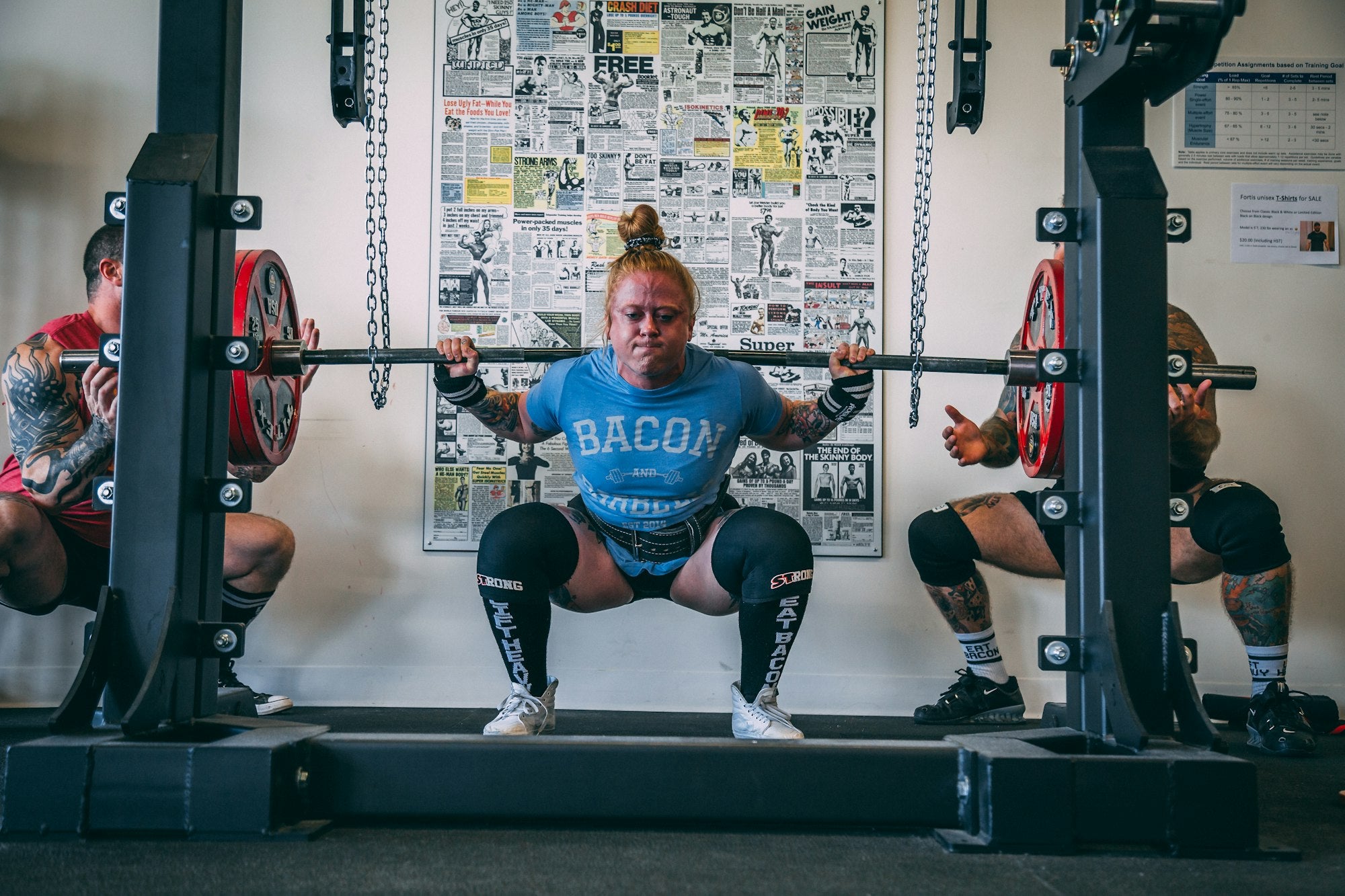
The fear that keeps many lifters from ever cutting is a real one: that stripping fat means watching the numbers they worked years for slide off the bar. It can happen — but it's not inevitable, and it's mostly a result of cutting badly. With the right approach, you can lose a meaningful amount of fat while keeping nearly all of your strength, and sometimes even nudging it up. The trick is knowing what strength actually needs in a deficit, and protecting exactly those things.
- Some strength dip in a deep or long cut is normal; a big drop usually means cutting badly.
- Three things protect strength: high protein, heavy loads, and a moderate deficit.
- In a cut, keep the intensity (the weights) and trim volume, not the other way round.
- Go slower the leaner you are — aggressive cuts cost the most strength.
Why strength dips in a deficit
Eating less gives your body less fuel to train hard and less raw material to recover, and over a long cut it can lose a little muscle. Strength also has a neural side — practice and freshness — that suffers when you're under-fuelled and fatigued. None of this means strength must collapse; it means you have to be deliberate about defending it, because a careless cut attacks all of these at once.
The three protectors
Strength in a deficit comes down to defending three things. Protein, kept high (1.6–2.2 g per kg), gives the body what it needs to hold onto muscle. Heavy loads — continuing to lift challenging weights in lower rep ranges — signal the body to keep the strength it has; drop to only light, high-rep "toning" work and you tell it that strength is no longer needed. And a moderate deficit (rather than a crash) keeps enough fuel around to train hard and recover. Defend those three and most of your strength stays put.
Adjust training: cut volume, not intensity
Here's the key programming move people get backwards. In a deficit your recovery is reduced, so something usually has to give — but it should be volume (total sets), not intensity (how heavy you lift). Keep lifting heavy on your main lifts to preserve the strength signal, and if you're struggling to recover, trim a few sets rather than dropping the weight. Maintaining heavy work on fewer sets holds strength far better than doing lots of light, easy volume.
| Lever | In a cut |
|---|---|
| Protein | Keep high — 1.6–2.2 g/kg, the top of the range |
| Load (intensity) | Keep heavy on main lifts — preserve the strength signal |
| Volume (sets) | Trim if recovery suffers — this is what gives |
| Deficit size | Moderate, not aggressive — go slower the leaner you are |
Newer lifters can often keep gaining strength while losing fat — the newbie effect is generous. Seasoned lifters should aim to maintain strength through a cut and treat holding the numbers as a win. Either way, expect the odd flat session; judge strength over weeks, not on a single under-fuelled day.
- Keep protein at the top of the range, 1.6–2.2 g/kg.
- Keep lifting heavy on your main lifts — hold the intensity.
- If recovery dips, cut sets, not the weight on the bar.
- Use a moderate deficit and go slower the leaner you get.
In a cut, defend the weights. Let the volume flex.
Losing fat doesn't have to mean surrendering the strength you built. Keep protein high, keep the heavy work in, run a sane deficit, and let volume be the thing that flexes when recovery gets tight. Do that and you'll come out the other side leaner — and very nearly as strong as you went in.
Questions, answered
Will I definitely lose strength when cutting?
Not necessarily. A small dip can happen in a long or aggressive cut, but with high protein, heavy training, and a moderate deficit most people keep nearly all their strength — and beginners often keep gaining.
Should I lift lighter while dieting?
No — that's the common mistake. Keep lifting heavy to preserve strength, and if recovery suffers, reduce the number of sets rather than the weight. Intensity protects strength; volume is what you trim.
How fast should I cut to protect strength?
Moderately — around 0.5% of bodyweight a week for most, slower the leaner you are. Aggressive crash deficits cost the most muscle and strength, so patience pays here.
Why was I weaker in just one session?
Under-fuelling, poor sleep, or accumulated fatigue can flatten a single session in a deficit. Judge your strength over weeks; one off day isn't a real loss.