Cardio vs Weights for Fat Loss
Diet drives fat loss, weights keep the muscle that makes you look lean, and cardio widens the deficit. How to use all three in the right order.
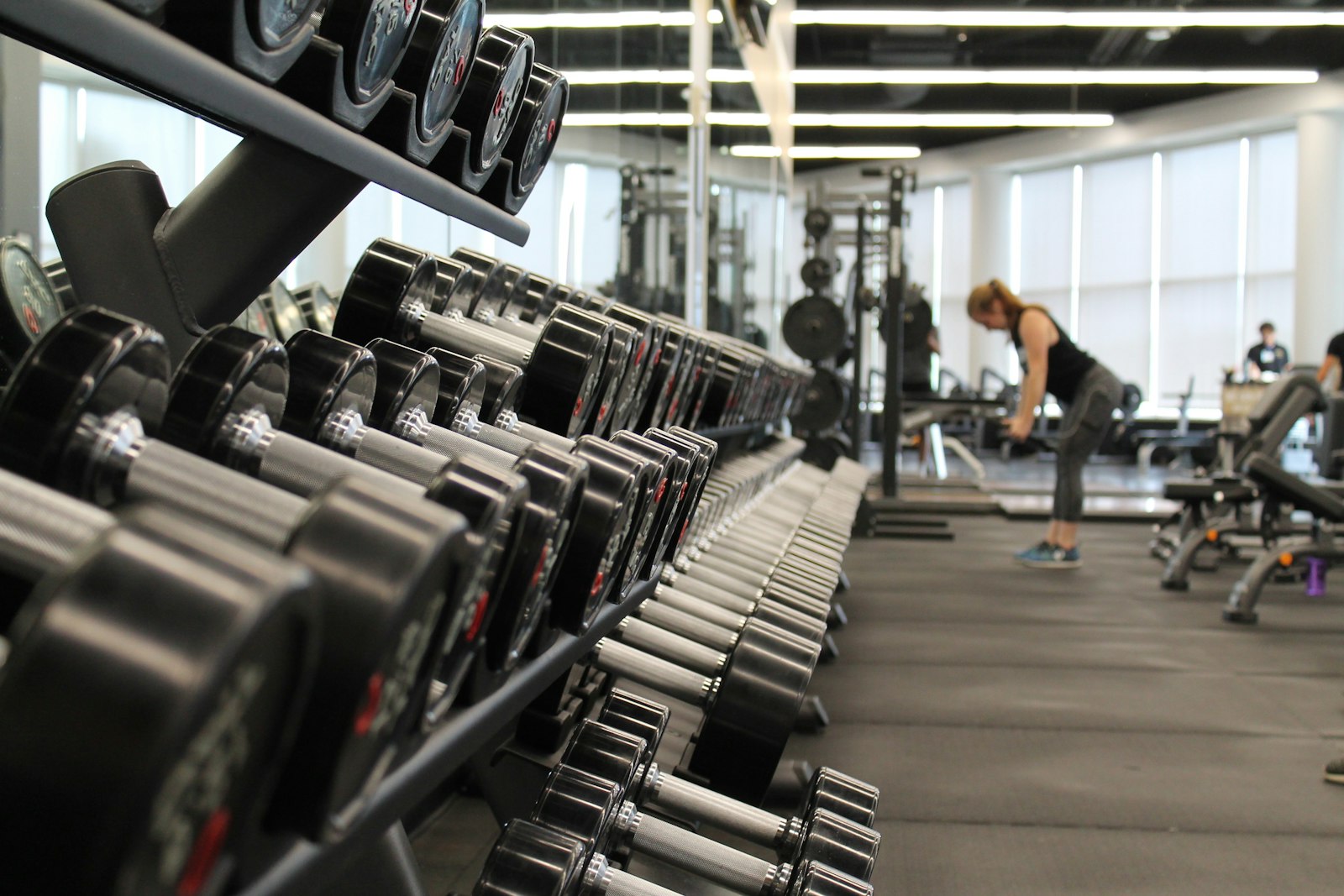
Walk into most gyms and you'll see the divide. The people trying to lose fat are on the treadmills and cross-trainers, hour after hour, while the weights are left to the people trying to "get big". It's an article of faith: cardio is for fat loss, weights are for bulking. It's also the reason so many people do endless cardio, lose weight, and end up softer and weaker than when they started.
Here's the order that actually matters. Diet creates fat loss. Weights protect the muscle that makes you look lean. Cardio is a tool to burn extra calories. The best fat-loss plan uses all three, but in that priority — and the most common mistake is doing the cardio while skipping the very thing, lifting, that decides whether you end up lean or just smaller.
- Diet drives fat loss — you can't out-train a surplus with cardio.
- Lifting weights while cutting preserves muscle, so you look lean and not skinny-soft.
- Cardio is a tool to widen the calorie deficit and support your heart, not the main event.
- Keep lifting; add cardio and steps around it — don't replace one with the other.
Neither burns as much as your diet
Start with a humbling fact: exercise burns far fewer calories than people think, and far fewer than diet can save. A hard hour of cardio might burn three or four hundred calories — which a single post-workout snack erases in two minutes. You genuinely cannot out-train a bad diet. The deficit that drives fat loss is built mostly in the kitchen, with training as support.
So before arguing cardio versus weights, get the diet right, because neither form of exercise removes fat without a calorie deficit underneath. Once that's in place, the question becomes what each type of training is actually for — and they're for different things.
Why lifting is non-negotiable when cutting
When you're in a deficit, your body is looking to shed tissue — and it will happily drop muscle along with fat unless you give it a reason not to. Lifting weights is that reason. Hard resistance training signals the body to hold onto muscle even while losing fat, which is what keeps you looking lean and athletic rather than smaller and soft.
This is the part the cardio crowd misses. Two people lose ten kilos; the one who only did cardio loses a chunk of it as muscle and ends up "skinny-fat", while the one who kept lifting loses almost pure fat and emerges defined. The weight on the scale can be identical and the result completely different. Muscle is what gives a lean body its shape — and lifting is how you keep it while the fat comes off.
Cardio decides how much you weigh. Lifting decides what you look like when you get there.
What cardio is actually for
None of this makes cardio useless — it's a genuinely useful tool, just not the one people think. Its real jobs are widening your calorie deficit without having to cut food further, and improving your cardiovascular health, which matters for life far beyond the mirror. A daily walk or a few cardio sessions let you eat a little more while still losing fat, which makes the whole diet easier to sustain.
Think of cardio as a dial you can turn to create a bit more deficit when cutting food alone gets hard. It's support, not the engine. And because it doesn't build much muscle, it should never replace your lifting — it goes around it.
HIIT or steady cardio?
The two main styles each have a place, and the best one is the one you'll actually keep doing.
Steady cardio (LISS)
Walking, cycling, easy jogging. Low fatigue, easy to recover from, sustainable for hours. Best for most fat-loss volume.
Intervals (HIIT)
Short, hard bursts. Time-efficient and good for fitness — but tiring, and it can eat into your lifting recovery if overdone.
The honest winner
Mostly easy cardio and daily steps, with a little intervals if you enjoy them. Low interference with lifting, easy to sustain.
In a lot of Indian gyms, "I want to lose weight" is met with a treadmill and nothing else, and lifting is quietly reserved for the men trying to get big — leaving many people, women especially, doing only cardio and fearing the weights. It's exactly backwards. Lifting won't make you bulky in a deficit; it's what keeps you toned as the fat comes off. Spend most of your training time on weights, and use the treadmill as a tool around it, not as the whole plan.
- Fix the diet first — set the deficit, since that's what removes fat.
- Lift weights 3–4 times a week to protect muscle while you cut.
- Add daily steps and a little easy cardio to widen the deficit, not replace lifting.
- Use intervals only if you enjoy them and they don't wreck your lifting recovery.
Diet strips the fat. Weights keep the shape. Cardio widens the gap.
The cardio-versus-weights debate has a quiet answer: it was never really a competition. Your diet does the fat loss, your lifting keeps the muscle that makes the result look like something, and your cardio is a helpful tool around the edges. The person on the treadmill for the hundredth hour, skipping the weights, has the priorities exactly inverted. Lift to keep what you've built, eat to lose the fat, and let cardio do the modest, useful job it's actually good for.
Questions, answered
Is cardio or weights better for fat loss?
Diet drives fat loss; between the two, weights are more important because they preserve the muscle that keeps you looking lean. Cardio helps by burning extra calories and supporting health. The best plan uses both, with lifting as the priority.
Will lifting weights make me bulky while trying to lose fat?
No. In a calorie deficit you're not building significant muscle — lifting simply preserves what you have so you look toned rather than soft as the fat comes off. Building noticeable size requires a surplus, which is the opposite of cutting.
Is cardio necessary to lose fat?
No, but it helps. Fat loss comes from a calorie deficit, which you can create through diet alone. Cardio is a useful tool to widen that deficit without cutting food further, and it benefits your heart — but it isn't strictly required.
HIIT or steady-state cardio for fat loss?
Both work; pick what you'll sustain. Steady cardio and daily walking are low-fatigue and easy to keep up. HIIT is time-efficient and good for fitness but tiring, and too much can interfere with lifting recovery. Mostly easy cardio with a little HIIT suits most people.
How much cardio should I do to lose fat?
Enough to support your deficit without exhausting you — often daily walking plus a couple of easy sessions. Keep lifting as your main training and add cardio around it. There's no need for hours of cardio if your diet and steps are in order.