Foam Rolling and Stretching: What Actually Works
The pre-workout rituals everyone does and few question. What foam rolling and stretching genuinely do — and what they don't.
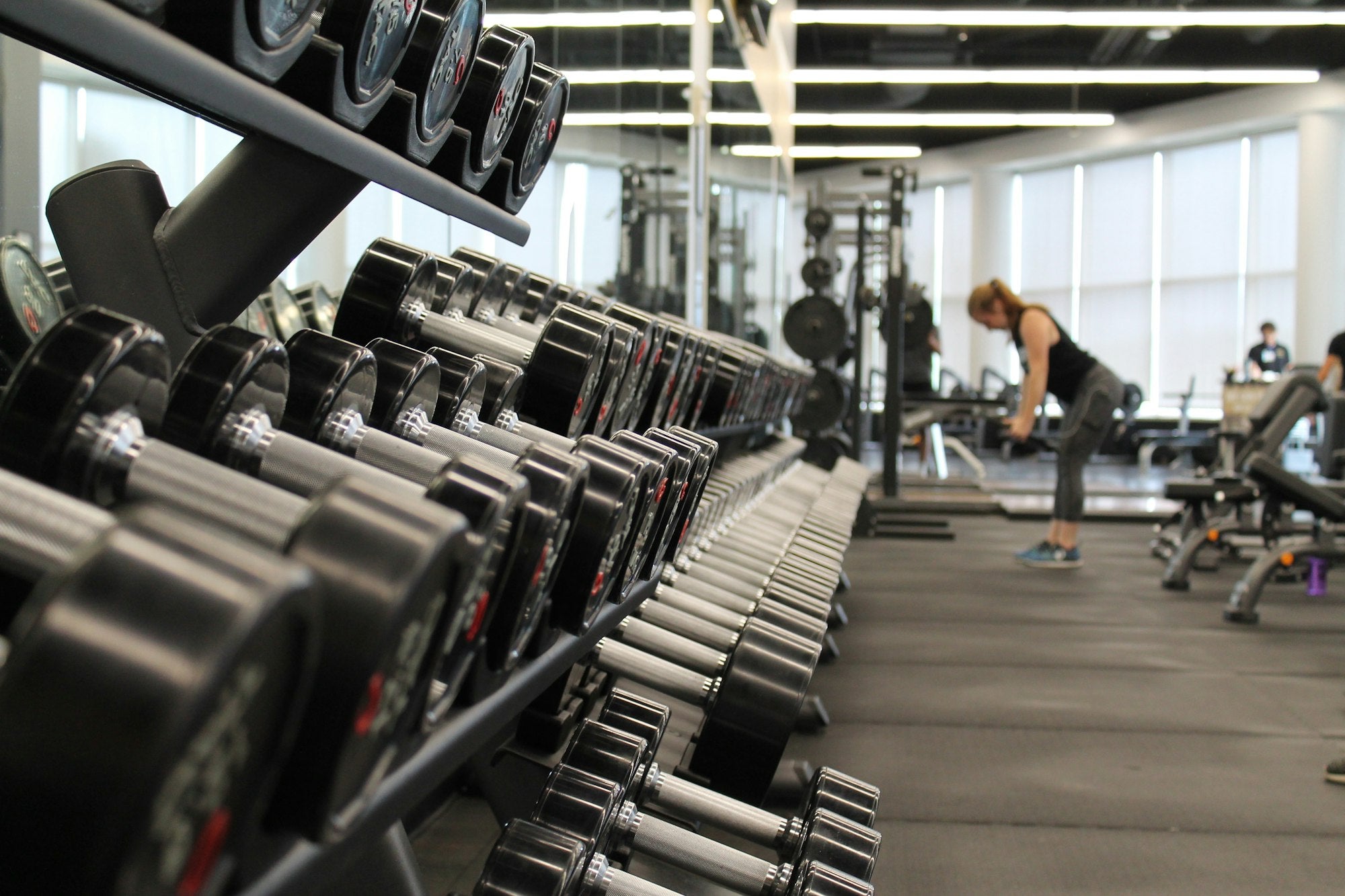
Walk through any gym and you'll see people grimacing on foam rollers and holding long stretches, mostly out of habit and half-remembered advice. Both tools are useful — but for narrower, more modest reasons than the folklore claims. Foam rolling doesn't "melt knots" or "break up fascia," and stretching won't injury-proof you or erase soreness. Knowing what they actually do lets you use them well and stop wasting time on what they don't.
- Foam rolling gives a short-term boost in flexibility and a feel-good effect — it doesn't change tissue structure.
- Dynamic stretching belongs before training; long static holds belong after or in separate sessions.
- Stretching builds real flexibility but doesn't meaningfully prevent injury or soreness.
- Both are minor, optional tools — useful, never the foundation.
What foam rolling actually does
Rolling a muscle creates a temporary increase in range of motion and often just feels good — it's thought to work mostly through the nervous system, not by physically "releasing" anything. It doesn't break up scar tissue, lengthen fascia, or remove "knots," whatever the wellness posts say. That temporary mobility bump makes it genuinely handy as part of a warm-up or to feel looser, and there's some evidence it can modestly ease the perception of soreness. Useful, then — just not the deep-tissue remodelling it's sold as.
Static vs dynamic stretching
Timing is everything with stretching. Dynamic stretching — controlled, moving stretches through a range — is great before training: it warms tissue and primes movement without the brief power loss long holds can cause. Static stretching — holding a stretch for 30+ seconds — is best saved for after training or separate sessions, where it builds genuine flexibility over time. Both have value; they just belong at different moments.
| Tool | When | What it's good for |
|---|---|---|
| Foam rolling | Warm-up, or anytime to feel loose | Short-term mobility and comfort |
| Dynamic stretching | Before training | Warming up and priming movement |
| Static stretching | After training or separately | Building lasting flexibility |
What to expect (and not)
Set the bar honestly. Stretching done consistently genuinely improves how far you can move, which is worth having if your mobility is limiting your lifts. But the bigger promises — that stretching prevents injuries or clears soreness — aren't well supported. The strongest injury protection is still sane progression and good technique; the best soreness reducer is consistent training. Treat the roller and the stretch as nice extras layered on top of those basics.
Foam rolling is not a warm-up on its own. Roll if you like, do a few dynamic stretches, but the part that actually prepares you to lift is light cardio plus ramp-up sets of your first exercise. Rolling and stretching are the garnish; the warm-up sets are the meal.
- Roll tight areas briefly in your warm-up if it helps you feel loose.
- Use dynamic stretches before training, not long static holds.
- Save static stretching for after sessions to build flexibility.
- Don't rely on either to prevent injury — progress sanely and lift with good form.
Use the small tools for what they do — not what they're sold as.
Foam rolling and stretching aren't useless, and they aren't magic. Roll to feel loose, stretch to build flexibility, dynamic before and static after — and keep your faith for the things that actually drive results. Used with realistic expectations, they're a pleasant, helpful few minutes; mistaken for the main event, they're just time away from it.
Questions, answered
Does foam rolling break up knots or fascia?
No. It creates a short-term increase in range of motion and feels good, working mainly through the nervous system. It doesn't physically break up tissue, scar tissue, or fascia, despite the common claims.
Should I stretch before lifting?
Use dynamic (moving) stretches before lifting; they warm you up without the brief strength dip long static holds can cause. Save static stretching for after your session or separate days.
Does stretching prevent injury?
Not meaningfully, by the evidence. Stretching builds flexibility, which is worth having, but sane load progression and good technique do far more to prevent injury than stretching does.
Is foam rolling worth doing at all?
Yes, as a minor tool — for a short-term mobility boost, to feel looser, and possibly to ease the sense of soreness. Just don't expect it to replace a proper warm-up or change your tissue.