The Truth About Carbs: Rice, Roti, and Muscle
Carbs don't make you fat — a surplus does. Why rice and roti belong in a muscle-building diet, and how to portion them to your goal.
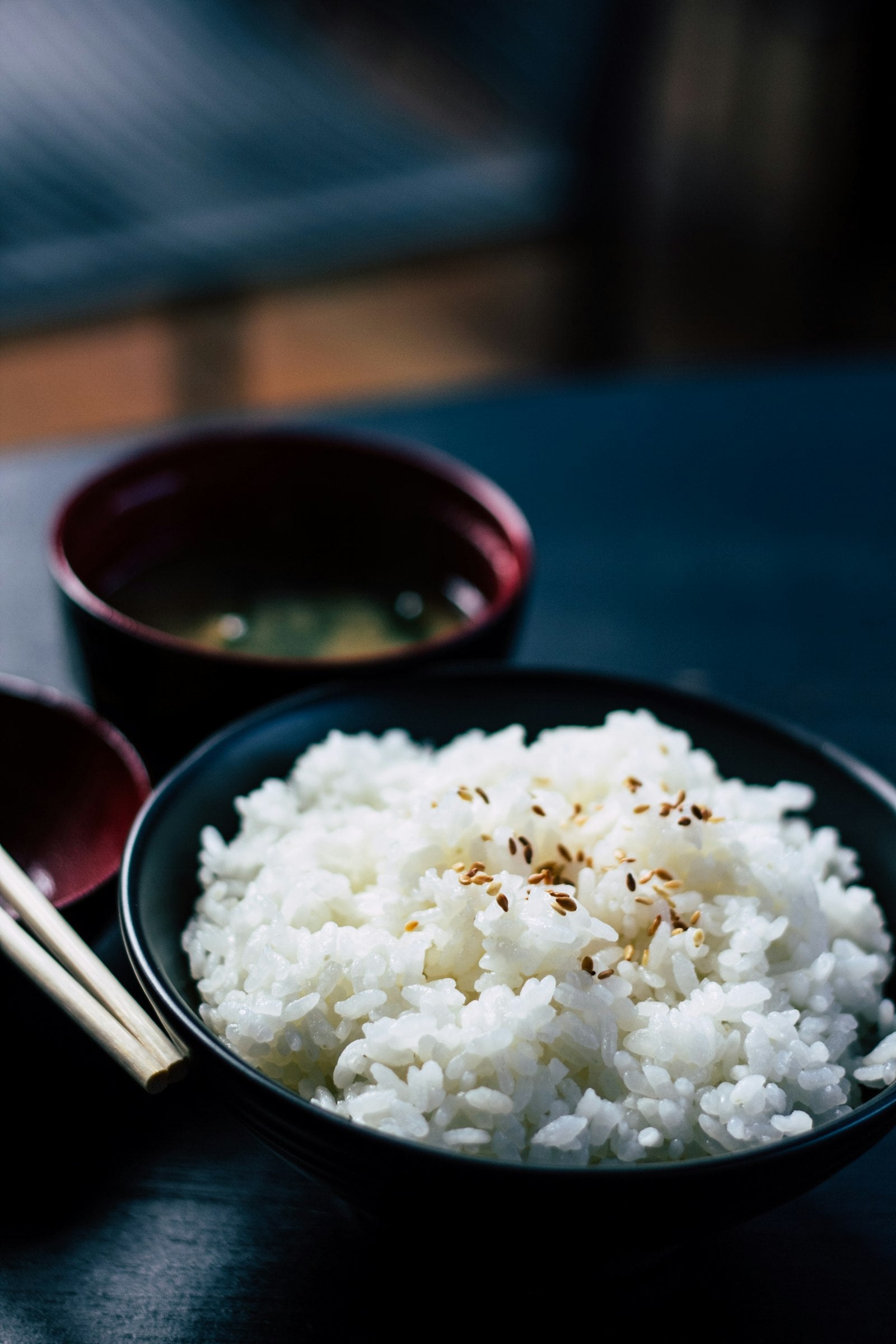
Somewhere in the last decade, rice became the enemy. People who'd eaten it happily their whole lives suddenly pushed it to the edge of the plate, swapped roti for "just sabzi", and announced they were "off carbs" — then wondered why their training felt flat and their willpower collapsed by evening. An entire food group, the staple of the subcontinent, got convicted without a trial.
It's time to overturn the verdict. Carbohydrates do not make you fat, do not need to be feared, and for anyone training hard they are an ally, not a threat. Rice and roti are fine. The only thing that ever made people fat was eating more total energy than they burned — and you can do that just as easily on ghee and paneer as on rice.
- Carbs don't uniquely make you fat — a calorie surplus does, from any source.
- Carbohydrates fuel hard training and help spare protein for building muscle.
- Rice and roti are both fine; choose by preference and portion to your goal.
- Favour whole sources and fibre most of the time, but no carb is forbidden.
Where the fear came from
Carbophobia has a lineage. It grew out of low-carb diet trends and a misunderstanding of insulin — the hormone carbs release. The story went: carbs spike insulin, insulin stores fat, therefore carbs make you fat. It sounds mechanistic and clever, and it falls apart on contact with evidence. Insulin rising after a meal is normal and harmless; it does not doom you to fat gain unless you're eating more calories than you burn.
Low-carb diets do help some people lose weight, but not by magic — they work because cutting an entire food group tends to cut calories, and because protein and satiety usually rise in the process. The carbs were never the villain. They were just the obvious thing to blame.
No one ever got fat from a bowl of rice. They got fat from a surplus that the rice happened to be part of.
What carbs actually do for you
For someone training seriously, carbohydrates aren't a guilty pleasure to minimise — they're functional fuel. Hard sets in the gym run largely on glycogen, the carbohydrate your body stores in muscle. Eat too few carbs and your training intensity, your strength, and your work capacity all quietly drop, which means less stimulus and less muscle.
Carbs also spare protein. When you give the body enough carbohydrate for energy, it leaves your protein free to do its real job — building and repairing muscle — instead of being burned for fuel. So in a roundabout but real way, eating enough carbs helps you keep the muscle you're working so hard to build.
The fat-gain myth, dismantled
Here is the test that settles it. Take two people on identical calories and identical protein; give one more carbs, the other more fat. Their fat gain or loss comes out the same. Dozens of controlled studies have run versions of this experiment, and the conclusion is boringly consistent: when calories and protein are matched, the carb-to-fat ratio barely affects body composition.
That means the rice on your plate is not making you fat. If you're gaining unwanted fat, you're in a calorie surplus — and the fix is to eat a little less total energy, not to exile a staple you enjoy and that fuels your training.
Rice, roti, and how much
The eternal Indian debate — rice or roti — has a deflating answer: it barely matters. Both are predominantly carbohydrate, both fuel you well, and the difference between them is small enough to be settled by preference, digestion, and what you'll actually enjoy. Roti brings a little more fibre and protein; rice is easier to eat in volume around training. Pick what suits you.
What matters more than the choice is the portion, sized to your goal. Building muscle? Carbs can run high — fill your plate. Losing fat? Keep the protein and pull the carbs down, not to zero but to a portion that fits your calorie target. Favour whole grains, fruit, and fibre most of the time for fullness and nutrition, but leave room for white rice and the occasional sweet without guilt.
In much of India, rice has been wrongly cast as the reason for rising waistlines, and people swap it for foods that are quietly more calorie-dense. A katori of plain rice is modest; the same meal drowned in oil, cream, and sugar is not. Before you give up the rice your body and culture run on, look at the cooking fat, the sweets, and the portion size. The staple is rarely the problem.
- Stop cutting carbs to lose fat. Set protein and total calories instead.
- Keep rice or roti in your meals — portion them to your goal, don't banish them.
- Put your largest carb portion around your training, when you'll use it best.
- Favour whole grains and fruit most of the time; leave room for what you love.
Carbs don't make you fat. A surplus does.
You were sold a fear that cost you energy, performance, and a food you genuinely enjoy — in exchange for nothing. Carbohydrates are not your enemy; mismanaged total calories are. Eat your rice and your roti, portion them to your goal, fuel your training, and let the surplus or deficit — not the food group — decide what your body does. The staple was never the saboteur.
Questions, answered
Do carbs make you gain fat?
No, not by themselves. You gain fat from eating more total calories than you burn, regardless of whether those calories come from carbs, fat, or protein. When calories and protein are matched, the amount of carbs has little effect on fat gain.
Should I eat rice or roti to build muscle?
Either is fine — the difference is small and comes down to preference and digestion. Roti has slightly more fibre and protein; rice is easy to eat in volume around training. Choose what you enjoy and portion it to your goal.
Do I need to cut carbs to lose fat?
No. Fat loss comes from a calorie deficit, which you can achieve while still eating carbs. Low-carb diets work for some people mainly because they reduce calories, not because carbs are uniquely fattening.
Are carbs important for workouts?
Yes. Hard training runs largely on glycogen, your stored carbohydrate. Eating enough carbs supports training intensity and strength, and helps spare protein so it can be used to build muscle rather than burned for fuel.
How many carbs should I eat a day?
Set protein and fat first, then let carbohydrates fill your remaining calories — higher when building, lower when cutting. There's no fixed number; carbs are the flexible macro you dial up or down to match your goal.