Meal Prep That Survives a Real Week
Not sixteen identical boxes you'll resent by Wednesday. A flexible system that makes eating well the easy choice.
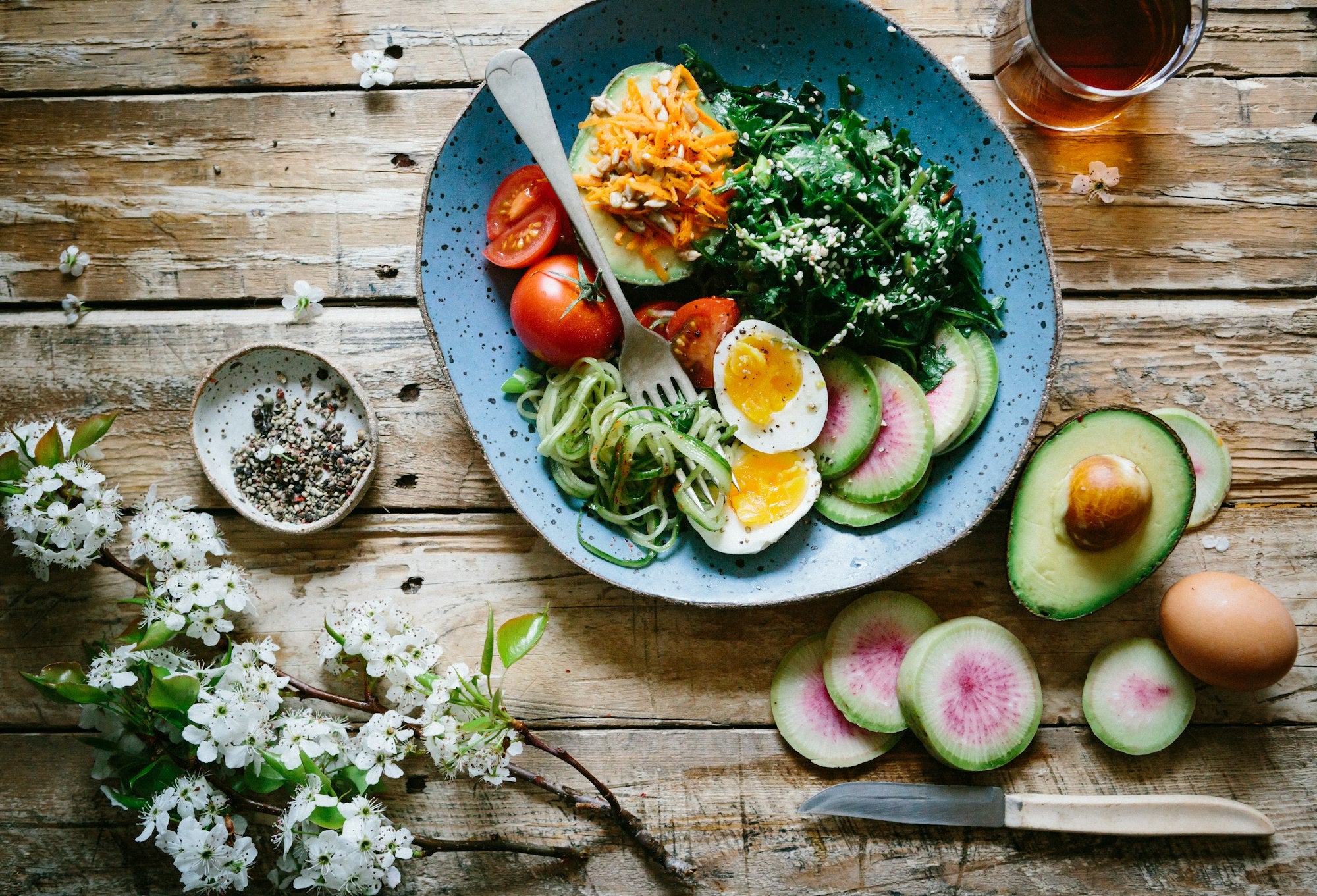
The meal-prep advice online usually involves a Sunday spent cooking sixteen identical containers of chicken, rice, and broccoli — which you'll be sick of by Tuesday and bin by Thursday. No wonder most people try it once and quit. Real meal prep isn't about eating the same sad box for a week. It's about doing a little preparation so that, when you're tired and hungry, the easy choice is also a good one.
Done right, it's the single highest-leverage habit in nutrition: it removes the decisions and the excuses that derail most diets.
- Meal prep fails when it's too rigid — identical boxes get boring and abandoned.
- Prep components — protein, carbs, veg — then mix and match all week.
- The goal is to make the healthy option the easy, default one when you're tired.
- Even prepping one thing (the protein) transforms a week of eating.
Why meal prep usually fails
Two mistakes kill it. The first is rigidity: cooking complete, identical meals leaves you bored and craving anything else within days. The second is over-ambition: trying to prep every meal for seven days in one heroic session that you'll never repeat. The fix for both is to lower the bar and add flexibility — prep building blocks rather than finished meals, and prep a few days at a time rather than the whole week.
Prep components, not meals
Instead of assembling finished dishes, batch-cook a few components and combine them differently each day. A protein or two, a carb or two, and some vegetables, kept separately, become a dozen different plates across the week.
| Component | Batch-cook examples |
|---|---|
| Protein | Chicken, eggs, paneer, a big pot of dal or rajma, curd on hand |
| Carbs | Rice, roti dough, boiled potatoes, oats |
| Vegetables | A couple of sabzis, chopped salad, frozen mixed veg |
| Flavour | Different masalas, chutneys, sauces to keep it interesting |
The same chicken and rice becomes a rice bowl one day, a wrap the next, and a curry the third — just by changing the vegetable and the spice. Variety from the same prep is what keeps you going.
A realistic weekly rhythm
Forget the all-Sunday marathon. Two shorter sessions — say Sunday and Wednesday — keep food fresh and the task small. Cook your proteins and a carb in bulk, wash and chop veg, and store it all in clear containers at eye level so the good stuff is the first thing you see. The whole point is to remove friction: when the healthy meal is already half-made and visible, it wins by default over ordering in.
Indian cooking is built for this. A big pot of dal or rajma, a batch of rice, pre-made roti dough, and a sabzi or two cover several days of balanced, high-protein meals. A pressure cooker does most of the work unattended. Keep boiled eggs and curd on hand for instant protein, and you've got a week of real food with almost no daily effort.
- Pick two short prep sessions instead of one long one.
- Batch one or two proteins and one carb — keep them separate.
- Wash and chop veg; store everything visible at eye level.
- Vary the spice and veg daily so the same prep never bores you.
Make the good choice the easy choice. Then it makes itself.
You don't need to live out of identical boxes to eat well. Prep a few components, keep them visible, and let a tired Wednesday evening choose the dal and rice you already made instead of the delivery app. That small bit of forethought, repeated, quietly wins you the whole week.
Questions, answered
Do I have to eat the same meal every day?
No — that's exactly what makes most meal prep fail. Prep components (protein, carbs, veg) separately and recombine them with different spices and vegetables, so every day tastes different from the same base.
How long does prepped food last?
Most cooked proteins, grains, and dals keep three to four days refrigerated. Prep in two shorter sessions across the week rather than seven days at once, and freeze portions you won't reach in time.
What if I can only prep one thing?
Prep the protein. It's the hardest macro to hit on the fly and the most likely to be skipped when you're busy. A batch of cooked protein ready to go transforms a week of eating on its own.
Isn't meal prep expensive?
Usually the opposite — buying and cooking in bulk is cheaper than daily takeout, and far cheaper than the impulse orders that happen when there's no food ready at home.