Macros on an Indian Plate
Macros without the maths. What protein, carbs and fats do, and how to re-architect any thali around the nutrients instead of tradition.
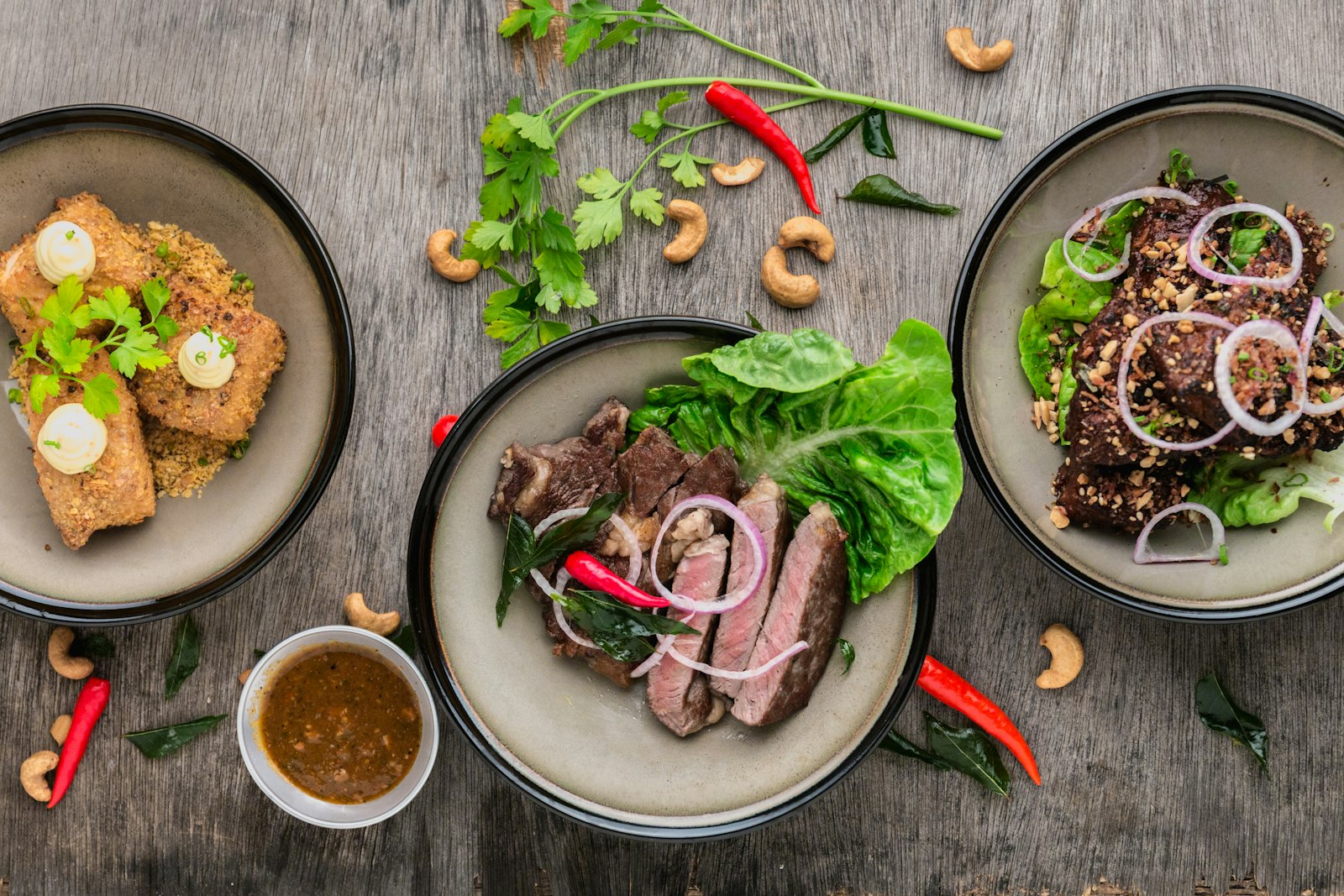
The word "macros" makes most people either panic or switch off. They picture an app, a food scale, and a joyless life of weighing every grain of rice — so they decide tracking is for fitness obsessives and go back to eating whatever the plate happens to hold. Which, in most Indian homes, means a mountain of carbohydrate and a polite amount of protein.
Macros aren't complicated, and you don't have to weigh anything forever to use them. There are only three — protein, carbohydrate, and fat — and once you know what each does and roughly how much you need, you can rebuild any thali into something that actually serves your training. This is the Indian plate, re-architected around the nutrients instead of tradition.
- Three macros: protein and carbs give ~4 calories per gram, fat gives ~9.
- Set protein first and treat it as fixed — about 2 g per kg of bodyweight.
- Split the remaining calories between carbs and fats by preference. Both are flexible.
- Re-architect the plate: protein leads, carbs are sized to your goal, fats are measured.
The three macros, plainly
Everything you eat for energy is some mix of three macronutrients. Protein rebuilds tissue and is the most filling; it carries about 4 calories per gram. Carbohydrate fuels your training and daily energy, also about 4 calories per gram. Fat runs your hormones and absorbs certain vitamins, and it's the dense one at about 9 calories per gram — more than double the others.
That's the entire vocabulary. Your total calories are just the sum of these three, and "hitting your macros" simply means landing on sensible amounts of each. You're not learning chemistry; you're learning to read a plate.
Set protein first, then forget it
The order you decide your macros in matters. Protein comes first, always, because it's the one with a hard target — roughly 2 grams per kilogram of bodyweight. Lock that number in and treat it as non-negotiable, the fixed beam the rest of the meal is built around. For a 70 kg person, that's about 140 g of protein, spread across the day.
Once protein is set, it stops being a daily decision. You're no longer asking "is this meal healthy?" — you're asking "where's the protein, and is it enough?" Everything after that is just filling the remaining calories in whatever way you enjoy and can sustain.
Protein is the one macro with a right answer. The rest is yours to arrange.
Carbs and fats: a flexible split
After protein, you have a pool of remaining calories to divide between carbohydrate and fat — and here, unlike protein, there's no single correct answer. Some people feel and train better with more carbs and less fat; others prefer the reverse. Both build muscle and both lose fat, as long as protein and total calories are right.
A sane default is to keep fat moderate — enough for hormones and satisfaction, roughly 0.5 to 1 gram per kilogram of bodyweight — and let carbohydrates fill whatever calories remain. That naturally suits Indian eating, where rice, roti, and pulses are the backbone. If you love your ghee and want more fat, take it from the carb side. The split bends to you; the protein doesn't.
The re-architected thali
Picture the change in physical terms. The traditional plate is three-quarters carbohydrate — rotis, rice, a little dal, sabzi. The re-architected plate keeps the same foods but changes the proportions: a clear, substantial protein at the centre, carbohydrates portioned to your goal, vegetables for volume and fibre, and fats measured rather than poured.
| Goal | Protein | Fat | Carbs |
|---|---|---|---|
| Build (lean gain) | ~140 g | ~60 g | Fill the rest (higher) |
| Maintain | ~140 g | ~55 g | Fill the rest (moderate) |
| Lose fat | ~140 g | ~50 g | Fill the rest (lower) |
Notice protein barely moves between goals — only the carbs flex up or down to set your calories. That's the whole system: a fixed protein floor, a measured fat allowance, and carbohydrates as the dial you turn to gain or lose.
On an Indian plate, the macro people miss is fat, because it's invisible. The protein is on the plate where you can see it; the carbs are obvious. But the oil the sabzi was cooked in, the ghee on the dal, the cream in the gravy — that's pure, dense fat that doesn't announce itself. When your calories are higher than they should be, look at the cooking medium before you blame the rice.
- Set protein at bodyweight in kg × 2 and make it the anchor of every meal.
- Set fat around 0.5–1 g per kg and keep an eye on cooking oil and ghee.
- Let carbohydrates — rice, roti, pulses — fill the calories you have left.
- Adjust only the carbs up or down depending on whether you're gaining or losing.
Protein is the law. Carbs and fats are preference.
You don't have to weigh your food for the rest of your life or turn every meal into a maths problem. You have to understand three nutrients, set your protein, measure your fats, and let carbohydrates do the flexible work. Do that, and the same thali you grew up eating becomes a precise tool — one you can aim at muscle, at fat loss, or at simply staying exactly as you are.
Questions, answered
What are macros in simple terms?
Macros are the three nutrients that give you energy: protein and carbohydrate at about 4 calories per gram, and fat at about 9. Your total calories are the sum of the three, and "hitting your macros" means eating sensible amounts of each.
What's the best macro split to build muscle?
Set protein at about 2 g/kg, fat at roughly 0.5–1 g/kg, and let carbohydrates fill the rest of your calories. The exact carb-to-fat ratio is flexible and down to preference, as long as protein and total calories are right.
Do I have to weigh my food to track macros?
Not forever. Weigh foods for a week or two to learn your portions, then you can estimate by eye. The goal is to internalise roughly how much protein and how many calories your usual meals carry.
Are carbs or fats more important?
Neither is essential to maximise beyond a point — both are flexible once protein and calories are set. Fat has a floor for hormone health (around 0.5 g/kg); above that, the carb-to-fat split is a matter of preference and performance.
How do I track macros in home-cooked Indian food?
Estimate the protein source and portion first, then the carbs (rice, roti), then account for cooking fat, which is easy to underestimate. Logging your common meals once gives you reusable numbers, so you don't start from scratch each day.