Fats, Ghee, and the Indian Kitchen
Dietary fat is essential and calorie-dense at once. Why ghee is neither poison nor potion, and how much fat to eat without fearing the spoon.
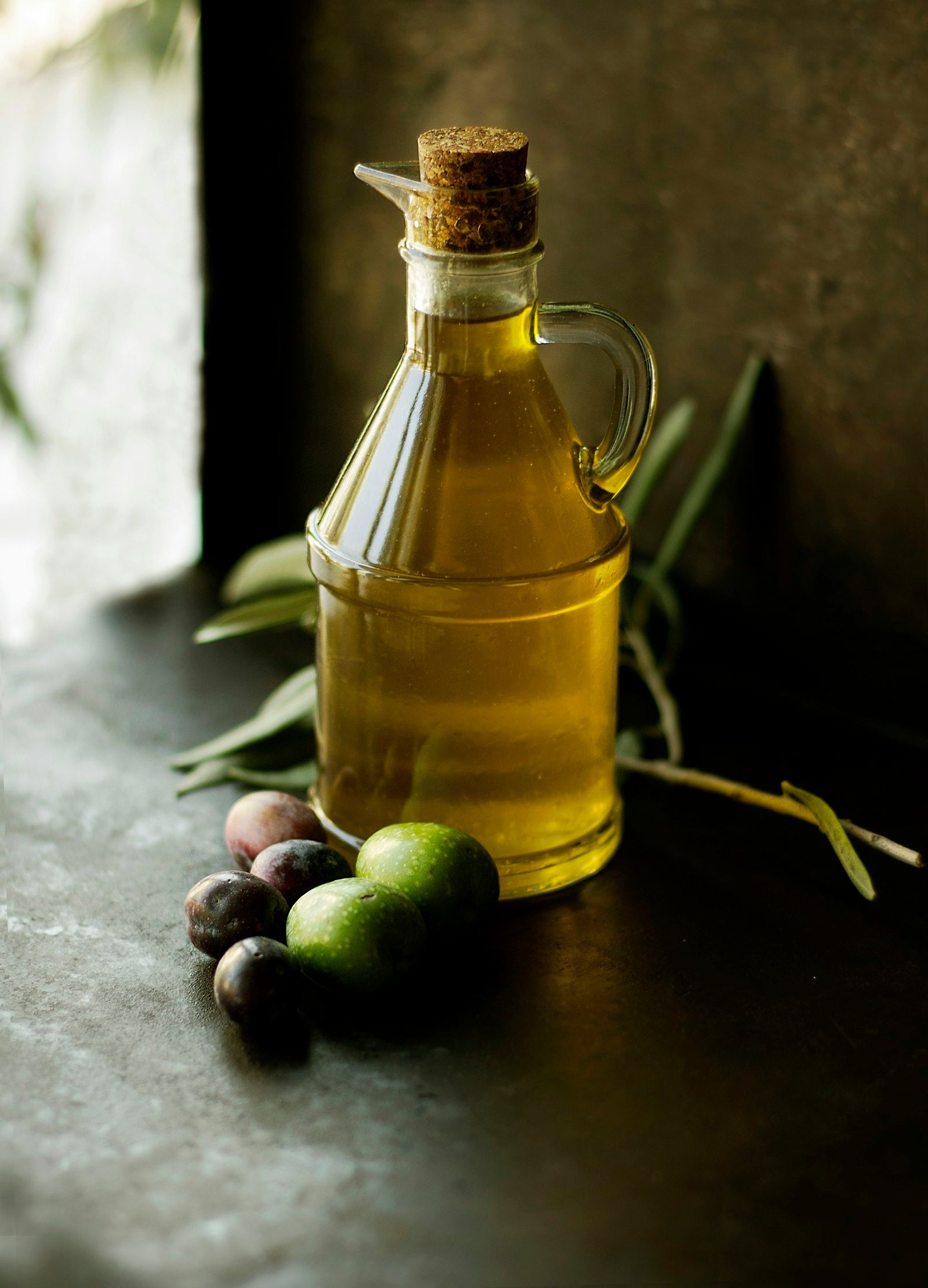
Ask ten people in an Indian kitchen about ghee and you'll get ten verdicts. To one it's liquid gold, spooned onto everything in the name of tradition and testosterone. To the next it's an artery-clogging poison to be hidden from the dal. Both are sure, both are loud, and both are missing the simple truth sitting in the spoon between them.
Dietary fat is neither hero nor villain. It is an essential nutrient your body genuinely needs — and the most calorie-dense one on your plate, which makes it easy to overdo without noticing. Understand those two facts together and the whole ghee debate dissolves. You don't have to fear fat or worship it. You just have to count the spoon.
- Fat is essential — it runs your hormones and absorbs key vitamins.
- It's also dense: ~9 calories per gram, more than double protein or carbs.
- Ghee and oils are neither poison nor superfood — measure them, don't pour them.
- Aim for roughly 0.5–1 g of fat per kg of bodyweight, from varied sources.
Why you actually need fat
Cut fat too low and your body notices fast. Dietary fat is the raw material for your hormones — including testosterone, which matters for building muscle — and very low-fat diets have been shown to depress it. Fat is also how you absorb the fat-soluble vitamins A, D, E, and K; eat your vegetables with zero fat and you absorb less of what's in them. And fat makes food satisfying, which keeps a diet liveable.
So fat is not an indulgence you tolerate — it's a requirement you meet. There is a floor below which cutting it harms you, and that floor is higher than the fat-free fads ever admitted. The goal is never zero.
The catch: it's calorie-dense
Here's the other half of the truth. Fat packs about 9 calories per gram, against roughly 4 for protein and carbs. Gram for gram it carries more than double the energy — which means a small volume of fat is a large number of calories. A single tablespoon of ghee or oil is around 120 calories; three of them across a day is a meal's worth of energy you barely registered eating.
This is why fat is the macro most likely to blow up your calories silently. It doesn't fill the plate the way rice does; it disappears into the cooking. You're not eating "a little oil" — you're often eating several hundred hidden calories of it. That's not a reason to fear fat. It's a reason to measure it.
Fat won't hurt you. Forgetting how much of it you ate will.
Ghee: not poison, not a potion
Ghee gets treated as a moral object, and it's really just concentrated fat — about 9 calories a gram like any other. It isn't the cause of heart disease that one camp fears, nor the muscle-building elixir the other camp promises. In sensible amounts, as part of a balanced diet, it's a perfectly good fat with a high smoke point and a taste that makes food worth eating.
The problem was never ghee itself; it's the quantity, applied unconsciously. A measured teaspoon on your dal is food. Four heaping spoons because "ghee is healthy" is just a few hundred surplus calories wearing a halo. Keep it, enjoy it, and portion it like the dense fat it is.
Eat fats, plural
You don't need to fear saturated fat or chase a single "good" oil — you need variety and moderation. Build your fat intake from a range of sources rather than one, and you cover your bases without overthinking it.
Cooking fats
Ghee, mustard oil, groundnut oil — fine in measured amounts. Pick by cuisine and smoke point, watch the quantity.
Nuts & seeds
Almonds, peanuts, walnuts, flax. Nutritious and satisfying — but dense, so a handful, not a bowl.
Whole-food fats
Eggs, dairy, paneer, and oily fish bring fat alongside protein. Much of your fat can come from here.
The Indian kitchen hides fat better than almost any cuisine. The tadka, the ghee on the roti, the oil a sabzi shines with, the cream in a restaurant gravy, the deep-fried snack — none of it looks like much, all of it is dense. You don't need to remove these foods. You need to see them. When your calories run high despite "eating sensibly", the cooking medium is almost always where the missing hundreds are hiding.
How much fat to aim for
A simple, safe target is 0.5 to 1 gram of fat per kilogram of bodyweight per day — for a 70 kg person, roughly 35 to 70 grams. Stay above the lower end so your hormones and vitamin absorption are covered; don't drift far above the higher end or you'll crowd out the calories you'd rather spend on carbs and protein.
Set protein first, set fat in this range, and let carbohydrates fill the rest — the same architecture every VYSN nutrition piece comes back to. Within your fat allowance, ghee is welcome. It just has to fit inside the number instead of floating above it.
- Set a fat target of roughly 0.5–1 g per kg of bodyweight.
- Measure cooking oil and ghee with a spoon for a week — don't free-pour.
- Get much of your fat from whole foods: eggs, dairy, nuts, fish.
- Keep ghee if you love it — just fit it inside your daily fat number.
Don't fear the fat. Just count the spoon.
The ghee argument was never worth having, because both sides were answering the wrong question. Fat isn't good or evil — it's essential and it's dense, and those two truths tell you exactly how to treat it. Eat enough to run your body well, measure it so it doesn't run away with your calories, and let tradition and nutrition share the same plate. The spoon was never the enemy. Not knowing how many of them you used was.
Questions, answered
How much fat should I eat per day?
Roughly 0.5 to 1 gram per kilogram of bodyweight — about 35 to 70 grams for a 70 kg person. Stay above the lower end for hormone health and vitamin absorption, and don't drift far above the higher end or you'll crowd out other calories.
Is ghee good or bad for you?
Neither, in sensible amounts. Ghee is concentrated fat at about 9 calories a gram — a perfectly good fat as part of a balanced diet. The issue is quantity, not the ghee itself. Measure it and enjoy it within your fat target.
Does eating fat make you fat?
Only if it pushes you into a calorie surplus. Fat is calorie-dense, so it's easy to overeat without noticing, especially as cooking oil. But like any food, it only adds body fat when it takes your total calories above maintenance.
Is saturated fat dangerous?
For most healthy people eating a varied diet in sensible amounts, moderate saturated fat is fine. The smarter approach is variety and moderation across all fats rather than fearing one type. If you have specific cardiac risk, follow your doctor's guidance.
Does low fat lower testosterone?
Very low-fat diets have been shown to modestly reduce testosterone, which is one reason not to cut fat too aggressively. Keeping fat at or above roughly 0.5 g/kg supports healthy hormone production.