How to Measure Progress Beyond the Scale
The scale is one noisy number that hides as much as it shows. Here are the better signals that tell you it's actually working.
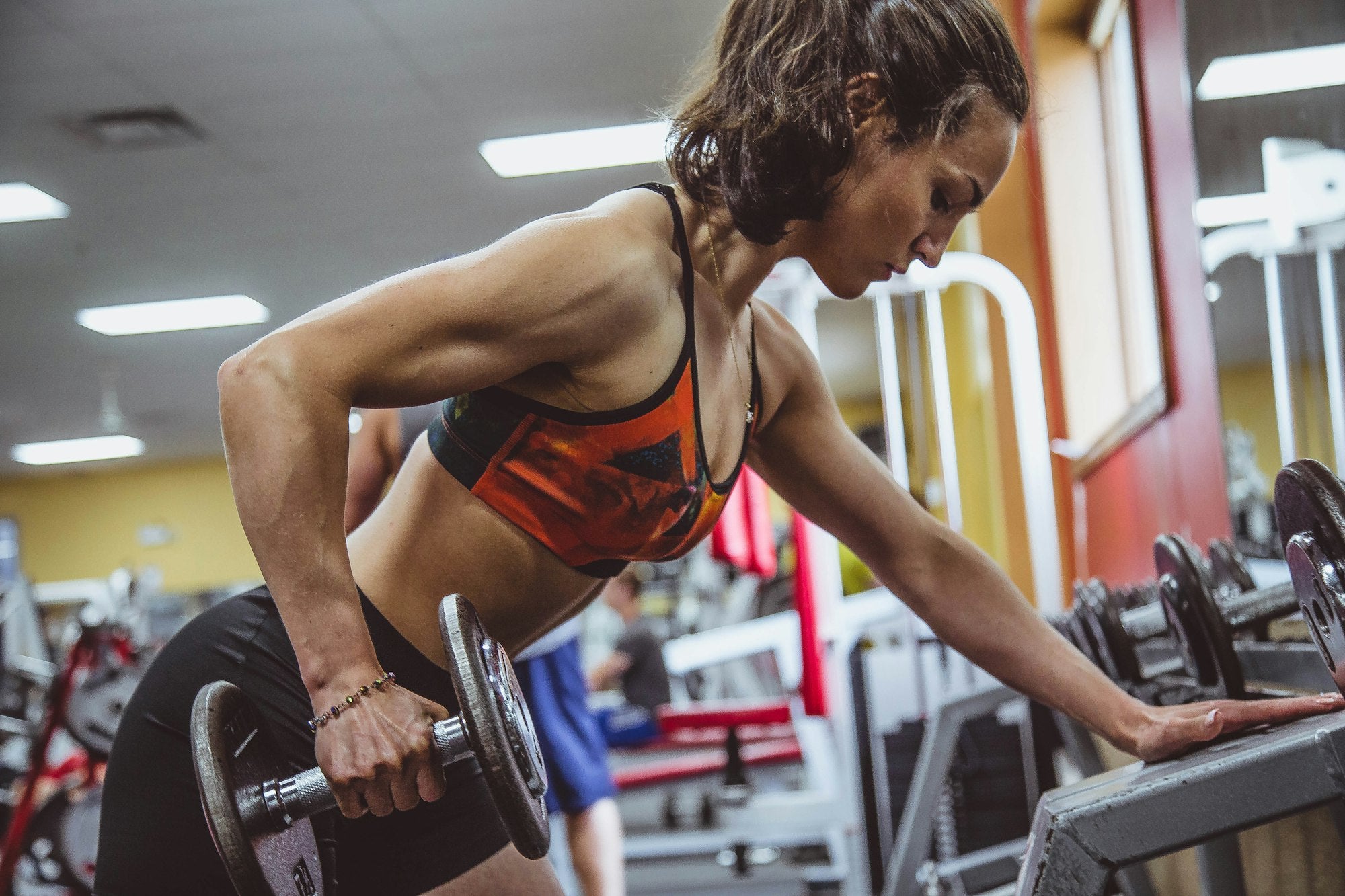
Few objects hold as much undeserved power as the bathroom scale. People let a single morning number decide their mood, their motivation, and whether they "succeeded" that week — when that number is one of the noisiest, least complete measures of progress there is. It bounces with water, food, salt, and sleep, and it can't tell muscle from fat. Lean on it alone and you'll quit a plan that was working, fooled by a number that was lying.
The fix isn't to ignore the scale entirely; it's to surround it with better signals.
- Daily scale weight swings on water, food, and salt — it's noise, not a verdict.
- Use a weekly average, and judge it alongside other measures.
- Strength, photos, tape, how clothes fit, energy, and consistency tell the fuller story.
- Track a few signals lightly — enough to see the trend, not enough to obsess.
Why the scale lies day to day
Your bodyweight can swing two or three kilos in a single day from water alone — a salty meal, a hard session, a poor night's sleep, the timing of your last meal or bathroom visit. None of that is fat. If you build muscle while losing fat, the scale may not move at all even as your body visibly changes. The scale isn't useless, but a single reading is meaningless; only the trend over weeks means anything, and even then it's just one data point among several.
The signals that actually matter
Stack a few of these and you'll see progress the scale hides.
The logbook
Lifting more weight or reps than last month is hard proof you're building, whatever the scale says.
Progress photos
Same light, same poses, every two to four weeks. The mirror over time reveals what daily glances miss.
The tape measure
Waist, hips, arms, thighs. A shrinking waist with steady arms is recomposition you can measure.
How clothes fit
The most honest everyday signal — a looser waistband or filled-out sleeves needs no equipment.
Energy & sleep
Steadier energy, better sleep, and stronger sessions mean the plan is working with your body, not against it.
Consistency itself
Sessions hit and habits held is the leading indicator — results are a lagging echo of it.
Notice how many of these the scale can't capture. A month where the scale held flat but your squat climbed, your waist shrank, and your jeans loosened is a triumph — and a scale-only tracker would have called it failure.
Track without obsessing
The aim is enough signal to see the trend, not so much that measuring becomes its own anxiety. Weigh a few mornings a week and look only at the weekly average. Take photos and a couple of tape measurements every few weeks. Glance at your logbook trend monthly. That's plenty. If tracking ever starts to fuel stress or a fixation on numbers, step back and lean on the simplest honest signals — your training log and how your clothes fit.
One good week proves little; a month of aligned signals proves a lot. When your weekly-average weight, your photos, your tape, and your lifts all point the same way over four weeks, that's real, durable progress — far more trustworthy than any single Tuesday-morning number that happened to please or panic you.
- Weigh a few mornings; record only the weekly average.
- Take progress photos and waist measurements every 2–4 weeks.
- Keep a training log — strength trend is your best proof.
- Check in on clothes, energy, and consistency as honest tie-breakers.
One number can't measure a body. Read the whole picture.
The scale earns a place on your scorecard, not the whole of it. Surround it with the logbook, the camera, the tape, and a little honesty about how you look and feel, and you'll see what's truly happening — and stop letting a single noisy number talk you out of a plan that's quietly working.
Questions, answered
Why does my weight jump around so much day to day?
Mostly water and food — salt, carbs, a hard session, poor sleep, and bathroom timing can swing the scale two to three kilos with zero fat change. That's why only the weekly trend is worth reading.
Should I stop weighing myself?
Not necessarily — just demote it. Use a weekly average as one signal among several. If the scale fuels anxiety, it's perfectly fine to drop it and track photos, tape, and your logbook instead.
What's the best single measure of progress?
For muscle, your training logbook — lifting more over time is hard proof. For body composition, progress photos and a waist tape together. The best approach is a few signals read in combination.
How often should I check measurements?
Photos and tape every two to four weeks; weight as a weekly average; logbook trend monthly. Frequent enough to see the direction, infrequent enough to avoid obsessing over noise.